Film Blog (3/8 - 3/14)
Good Luck, Have Fun, Don’t Die (2026)

Good Luck, Have Fun, Don’t Die is exactly the kind of movie I feel great supporting, even if it doesn’t entirely work for me. I’ll take an original sci-fi film with a hooky premise and a dark, zany tone any day of the week. The invention on display, from the fun Weapons-esque plot structure to the tactile sci-fi production design, was more than enough to keep me engaged throughout the slightly bloated runtime. And of course, you can’t go wrong with Sam Rockwell as the lead. Anytime he yells at or insults his confused recruits for his dangerous future-saving mission, it’s automatically funny.
Where the film struggles most is balancing its darkly comedic tone. The world these characters live in is wonderfully bleak, with its subjects completely apathetic about letting technology replace their lives. But the backstory with Juno Temple’s character goes way too far in a direction that’s not fun at all and doesn’t have the steady hand it needs to handle such a sensitive subject matter. While I’m impressed with some of the commentary on how modern technology affects our lives, there are times—especially with the aforementioned subplot—when it feels like Black Mirror leftovers.
Despite these setbacks and a saggy pace, I had fun watching this film. The ensemble is always endearing, with Temple and Haley Lu Richardson as the standout performances. And the climax is adequately bonkers and shows me some stuff I genuinely wasn’t expecting to see (for better and, in the case of one CGI abomination in the climax, for worse).
★★★
Margaret (2011)
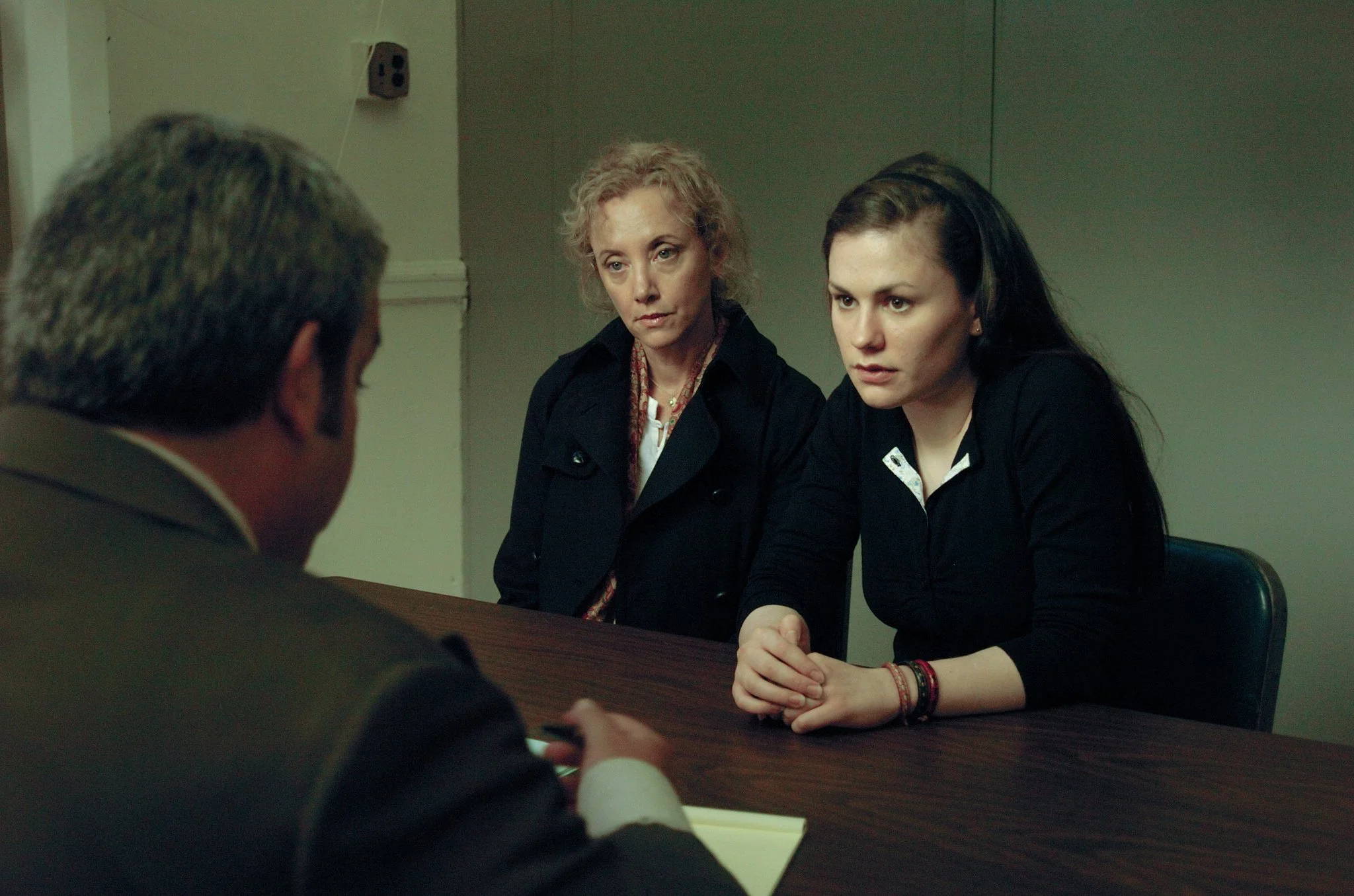
Margaret’s a movie I may need to sit with for a while. Like all of Kenneth Lonergan’s work, it plumbs the depths of our ugliest emotions while trying to make a modicum of sense of life’s random cruelty. I’m impressed by how unlikeable, selfish, and unpleasant he makes Anna Paquin’s Lisa, while never losing the audience. She’s your typical self-involved teen who feels every emotion of the film’s central tragedy to the nth degree and believes it’s a story about how it affects her. But the film’s bracing two-and-a-half-hour runtime (I watched the theatrical cut rather than Lonergan’s 3-hour director’s cut) reveals that life goes on around you, and your pain is a mere speck in our vast world.
There are good chunks of the movie that deviate from Lisa’s trauma around the bus accident she inadvertently caused. Oftentimes, Lonergan cuts to the cityscape in the middle of dialogue and has the camera intentionally lose Lisa in a sea of other New Yorkers. These choices capture the vibe of an NYC still reeling in the aftermath of 9/11, with so many other stories at play besides how a teen girl deals with tragedy. Also, it’s fun to see pre-Succession Kieran Culkin, J. Smith-Cameron, and Jeannie Berlin all in the same movie.
★★★★
Sirat (2025)
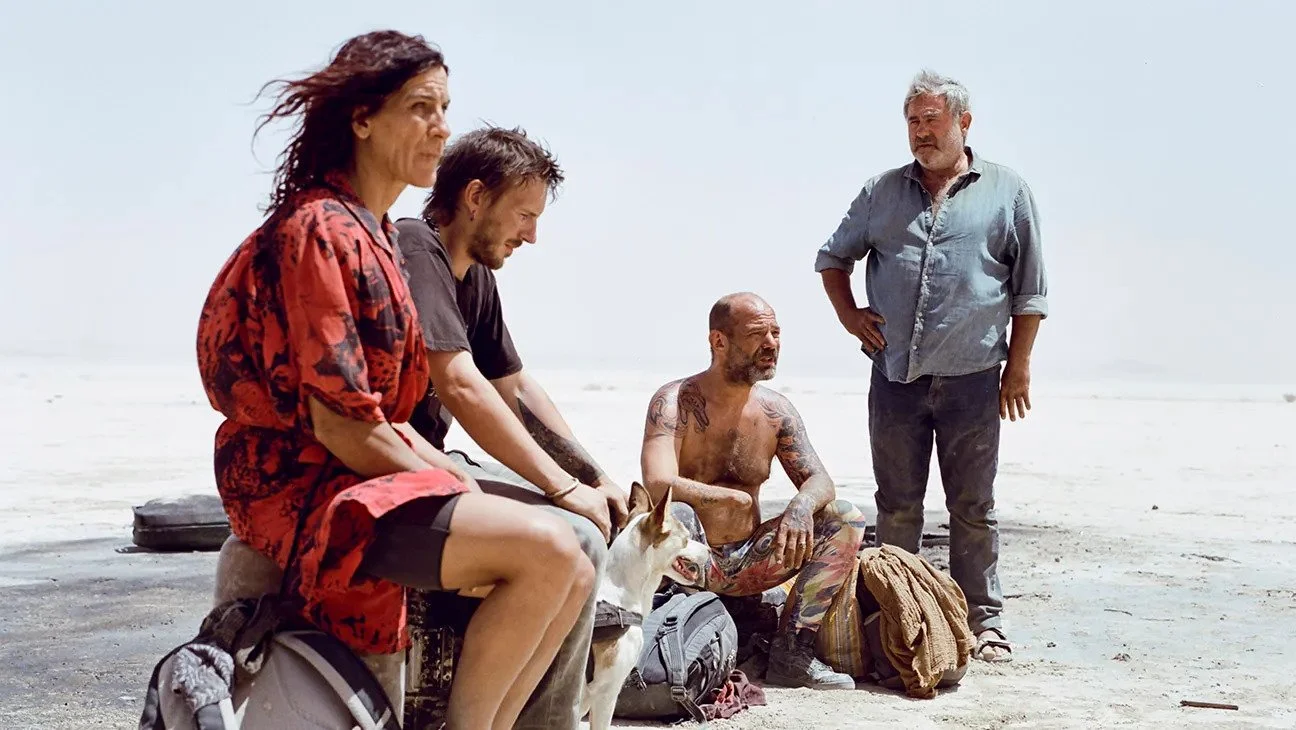
This is why I don’t go to raves or music festivals. Sirat feels like a modern-day pilgrimage where the pilgrims in question are searching for something out of reach. The story focuses on a man searching for his daughter amid Morocco’s rave scene. While that’s a straightforward objective, you find yourself asking what the point of the journey is as things go horribly wrong. The rest of the ensemble are lifelong ravers who seem to find escape in their lifestyle. We don’t know what drives them to make such a dangerous journey for one more chance to dance high out of their minds, but we get the impression they’re escaping some kind of pain.
The film hypnotizes you in the beginning with its pulsating EDM score and otherworldly setting. When you hear the desolate yet spiritual rave music bouncing off vast mountains and infinite deserts, you feel like it was made for this landscape. But once you’re lulled into that trance, the film shocks you with white-knuckle set pieces that rival Sorcerer.
★★★★
Picnic at Hanging Rock (1975)
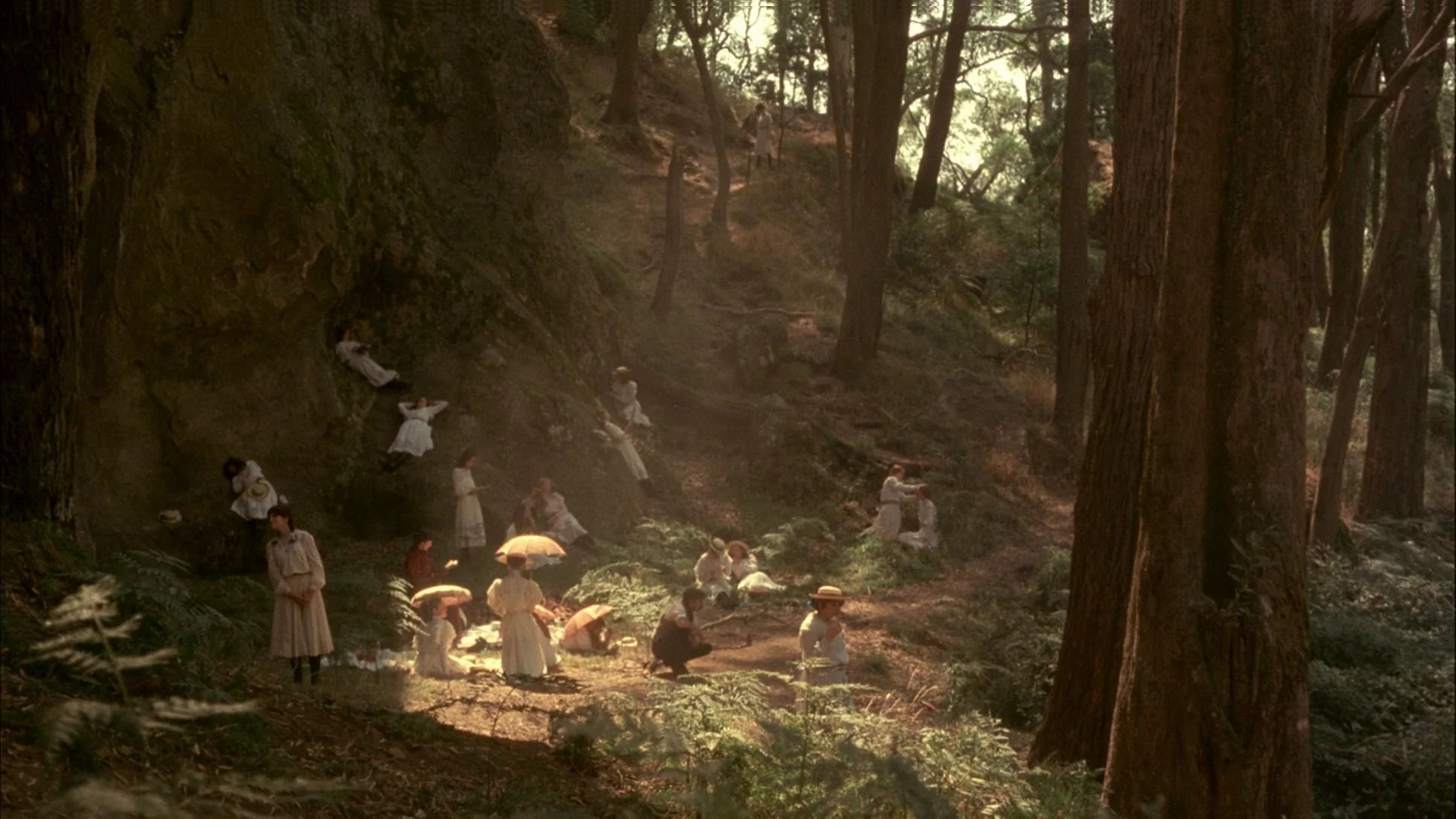
A hypnotic movie that lives in the conflict between the civilized world and the untamed wild. It’s so crazy to see people in frilly period outfits hiking through the wild Australian outback. The whole film feels like a commentary on colonization, with The Appleyard College and its stern headmistress doing everything in their power to strangle this wild country with civilized British etiquette. The students who go missing at Hanging Rock feel like they’ve escaped confinement rather than suffered a horrible fate. The school and the town’s reactions to the whole affair add an air of mystery to the film, as no one knows what to make of it. It feels like something unnatural has happened, and the trippy sound design and soothing pan flute score emphasize this supernatural vibe.
★★★★
Seven Days in May (1964)
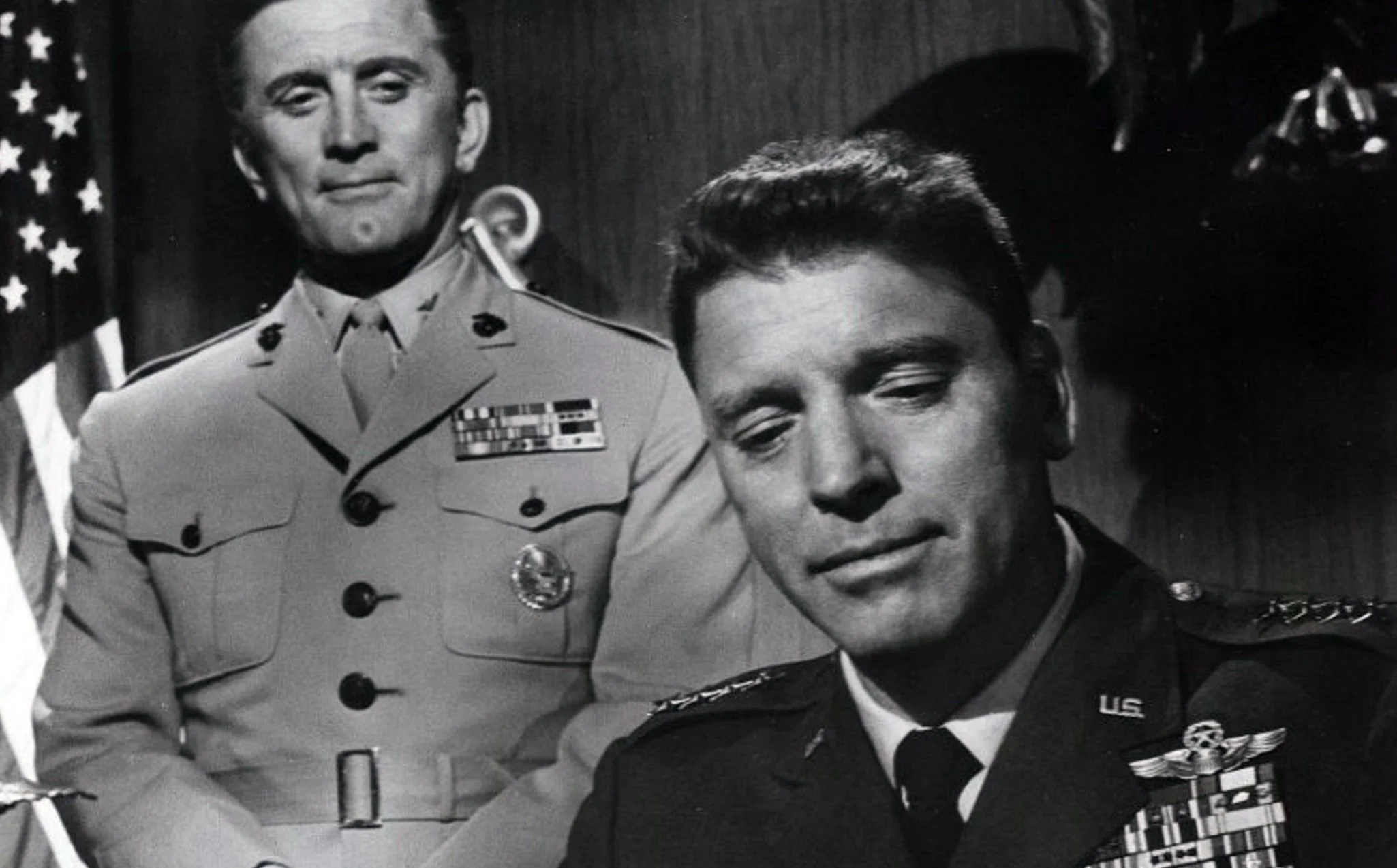
Talk about a rock-solid, meat-and-potatoes, nail-biting political thriller. In this showdown of the square jaws, we have Burt Lancaster as a power-hungry general attempting to launch a coup against the president, while his subordinate, played by Kirk Douglas, does everything he can to thwart it. This film is a perfect distillation of the chaos caused by Cold War paranoia. Lancaster claims to have the country’s best interests at heart, but doesn’t consider the consequences of a military dictatorship. It’s a film where the antagonists view compromise as weakness and force as power, and it’s a treat to see all these incredible, steely actors duking it out with powerful dialogue over the soul of democracy.
★★★★