Film Blog (3/22 - 3/28)
The Train (1964)
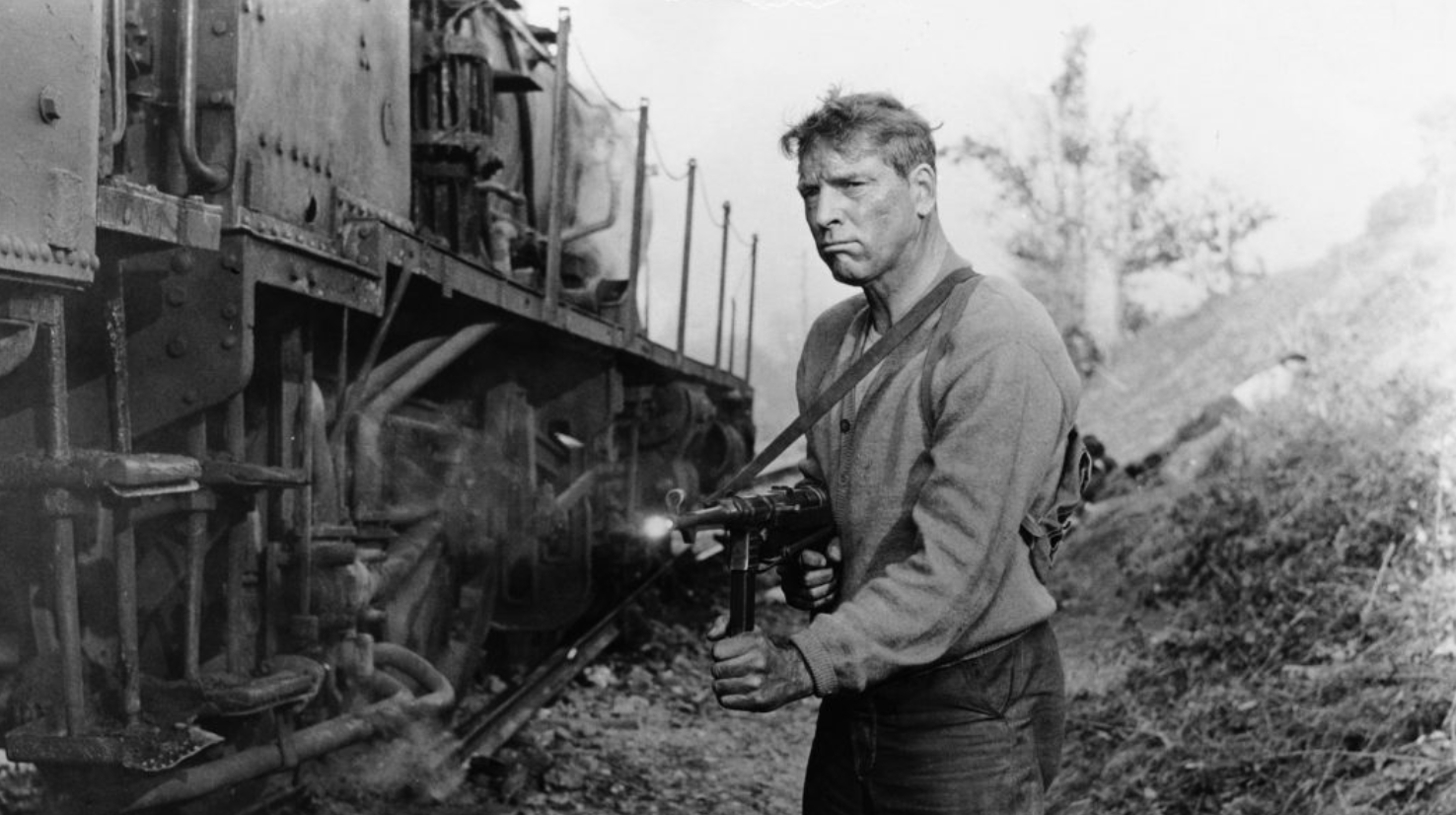
I’m convinced no one does this shit better than John Frankenheimer. If you want a solid, unfussy thriller with banger dialogue that makes you think about the cost of war, The Train is for you. Burt Lancaster grits his teeth through a series of expertly staged set pieces where he has to prevent a train filled with priceless French art from reaching Nazi Germany. The film takes its time showing you how everything works, whether it’s a complicated sabotage in a train yard or a deliberate rerouting to stall for the Allied forces.
But every fist-pumping victory is undercut with a tragic loss. As you go further down this plot with Lancaster, you find yourself questioning if all this human sacrifice is worth saving some paintings. We have one side where a nazi art lover has no problem throwing away human lives to secure the art for Germany, and on the other, a salt of the earth resistance fighter who cares nothing for art, throwing an equal number of bodies at the problem, mostly because everyone around him is willing to make that sacrifice. This conflict interrogates what human lives are worth in war and how they compare to the sanctity of national pride.
★★★★½
Project Hail Mary (2026)
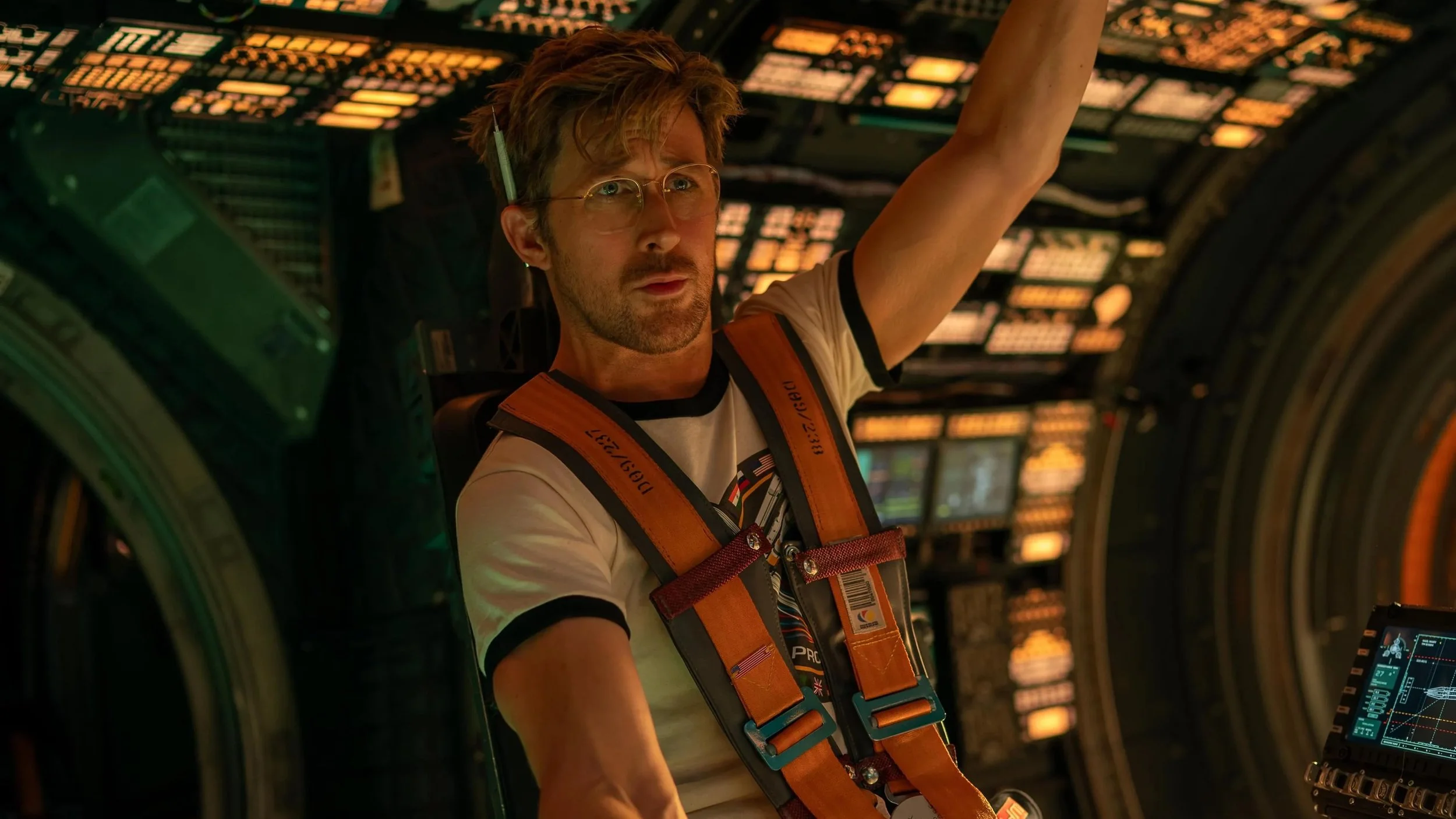
Having watched this and The Martian, I’m convinced that Andy Weir’s sense of humor is my kryptonite. When I wasn’t cringing at the dorky, out-of-touch pop culture references, I found myself not at all invested in the formulaic plot. All I could think of were better sci-fi movies (particularly Arrival and Interstellar). Even The Martian, which I think is fine, had way more going for it. I still remember my palms sweating at the excellent, climactic rescue mission. Nothing in Project Hail Mary came close to giving me that same feeling.
I’m not completely immune to this film’s charms. It’s a colorful treat for the eyes and strikes a great balance between majesty and visual comedy. Gosling is compelling as always, and the wonderfully realized Rocky is a great new addition to the movie alien hall of fame. Their friendship is the heart of the movie, even if it’s a little too cutesy for me. If you can get on board with this film’s vibe, I can see it working for you as it does for so many people. But if the overly earnest tone makes your teeth hurt and the lack of a strong theme leaves you adrift, then the 156-minute runtime is gonna take a toll on your patience.
★★★
The Magnificent Ambersons (1942)
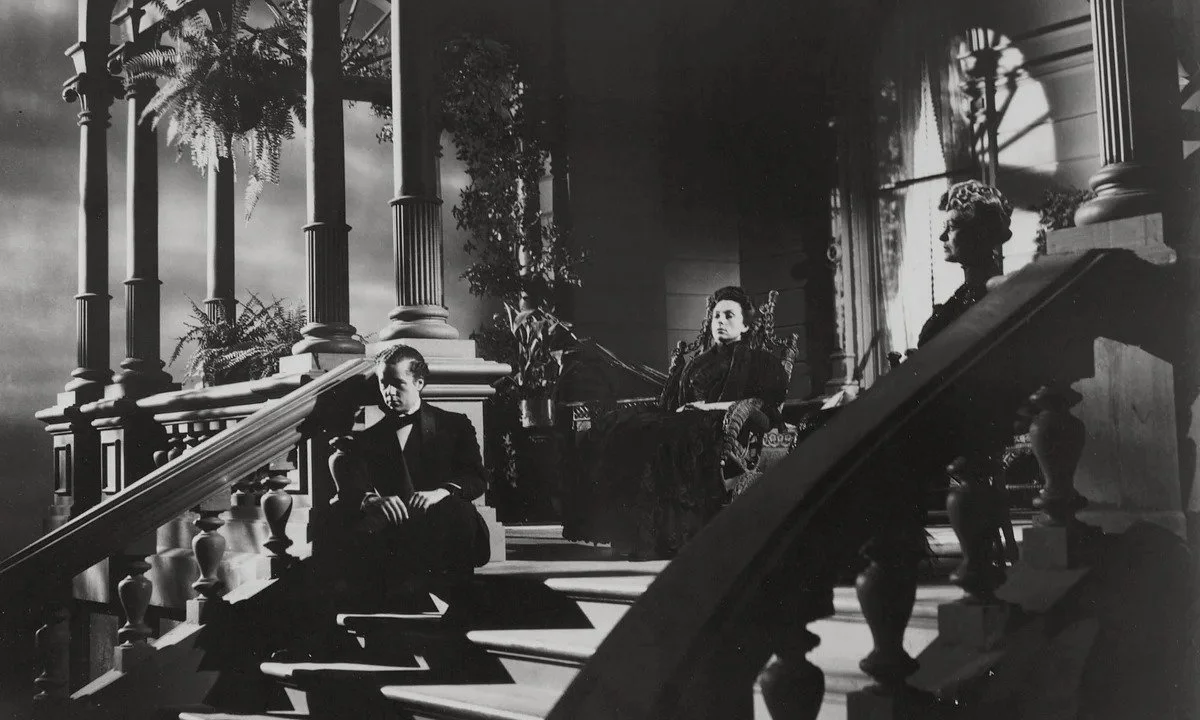
Even when Orson Welles makes a film compromised by studio interference, it still looks better than most 1940s movies. After a legendary debut in Citizen Kane, he continues to push the boundaries of visual storytelling, underscoring a wealthy family’s fall from grace. The use of light, shadow, and blocking gives you a sense of grandeur and elegance while highlighting the moral rot at the center of this family, embodied by the spoiled son, George. As the family grasps onto legacy, they let the modern world pass them by, and with it, chances for love and happiness.
I just wish we got to see Welles’ cut of the film. With a truncated 90-minute runtime, I don’t feel the fall of this family as hard as I should. This movie should be a long, elegiac, generational saga along the lines of Kane, where you can’t believe how much this family has lost over the years. Of course, it doesn’t feel fair to compare Welles’ second movie to the greatest film of all time, but you can’t help but make the comparison when the movie feels stripped of the proper pace it deserves.
★★★½
Deja Vu (2006)
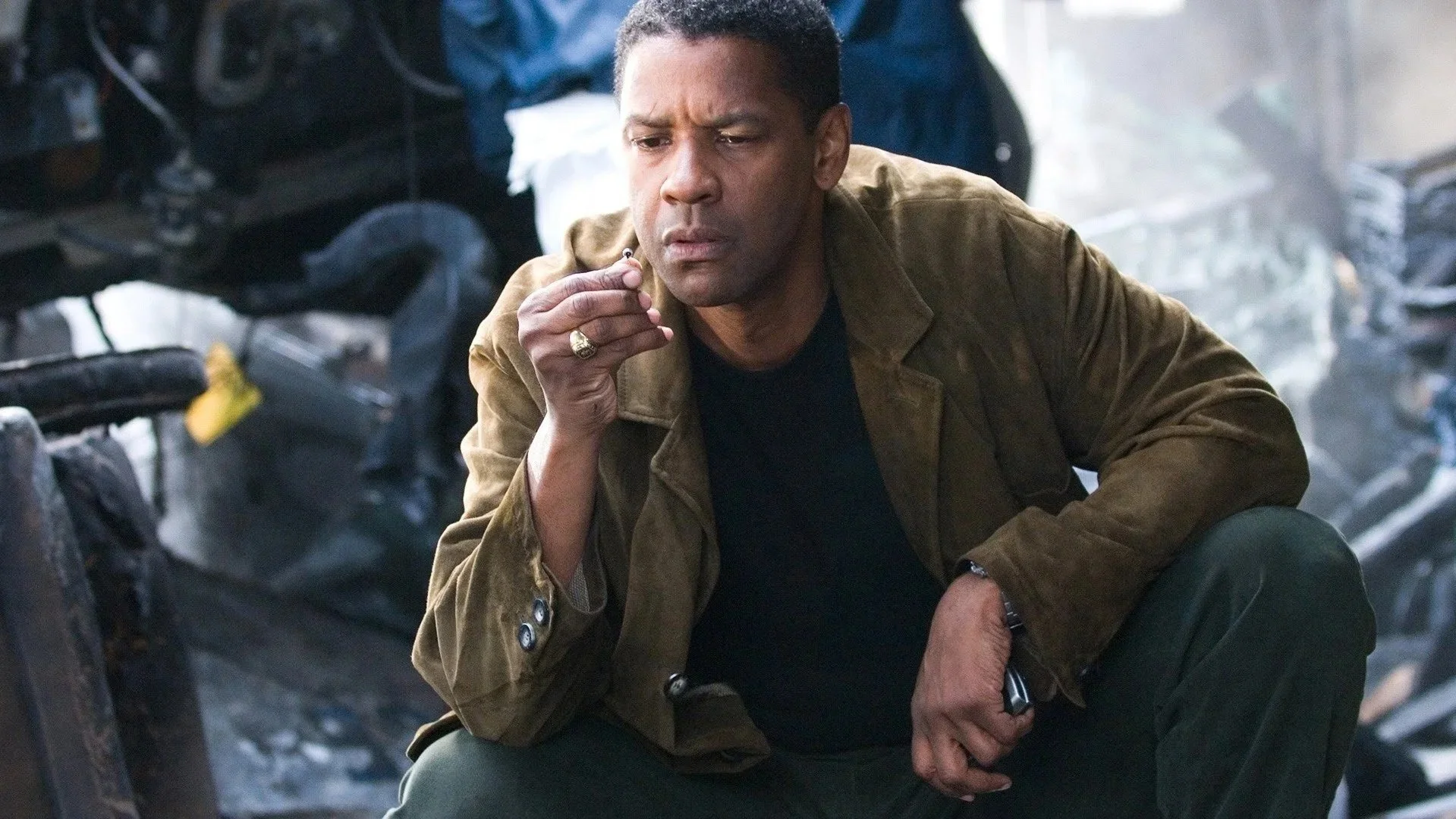
Only Tony Scott could pay tribute to the victims of Hurricane Katrina by making a bonkers time travel movie about stopping a domestic terrorist plot. I was expecting the movie to be a Groundhog Day spin where Denzel Washington’s ATF agent has to keep going back in time to stop a ferry from exploding, but it’s more original than I gave it credit for. Denzel’s quest to save a woman who’s already dead provides an easy emotional throughline that forces him to push the boundaries of the movie’s time-travel technology.
I have to give Deja Vu some credit for being the most stylistically restrained of Scott’s 2000s movies while still pulling off some slick, crazy visuals. The “past surveillance” technology is a cool visual invention with an internal logic that provides our lead with clear obstacles to overcome as the plot unfolds. The standout sequence is a car chase in which Denzel has one eye on the past and the other on the present, resulting in multiple unnecessary crashes. It’s my favorite kind of fun, action-packed excess.
★★★½