Film Blog (3/29 - 4/4)
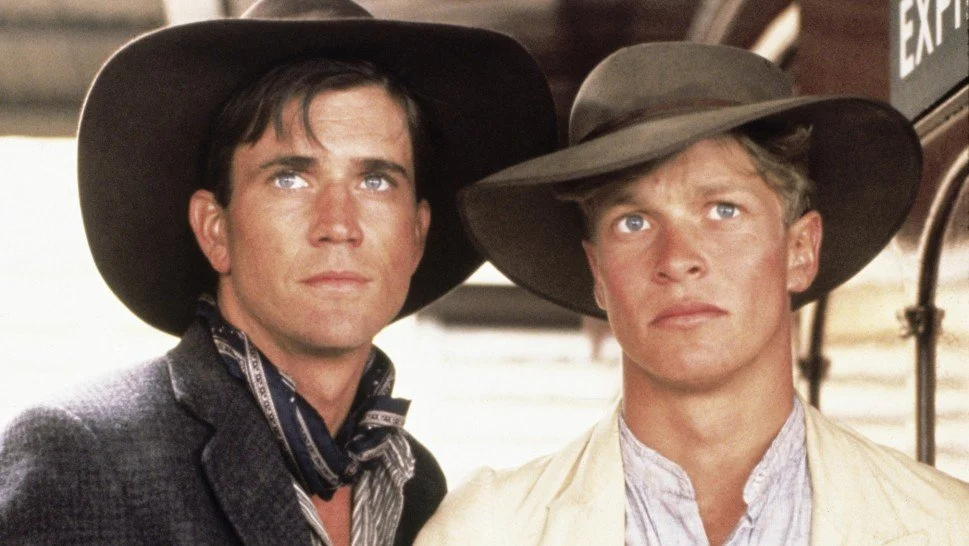
Gallipoli (1981)
I really wish my high school world history teacher hadn’t shown us the last 10 minutes of this movie. Gallipoli has to have one of the top 10 bleakest endings of all time. It’s such a gut punch compared to the rest of what’s essentially a buddy adventure film. That’s what makes it stand apart from other war films: it portrays war as a grand, life-changing journey up until it’s not.
The lead character has a misplaced sense of national pride that leads him to dedicate his incredible potential to the confused shitshow that was WWI. He, an Australian, wants to fight for the British, who look down on him, against the Germans by way of the Turkish. Not one character can articulate what they’re fighting for or how the war even started. They’re so busy getting swept up in the gorgeous vistas of faraway lands that they don’t even see the horrific third act coming. It’s an absolutely devastating film about running towards your destiny without thinking it through.
★★★★
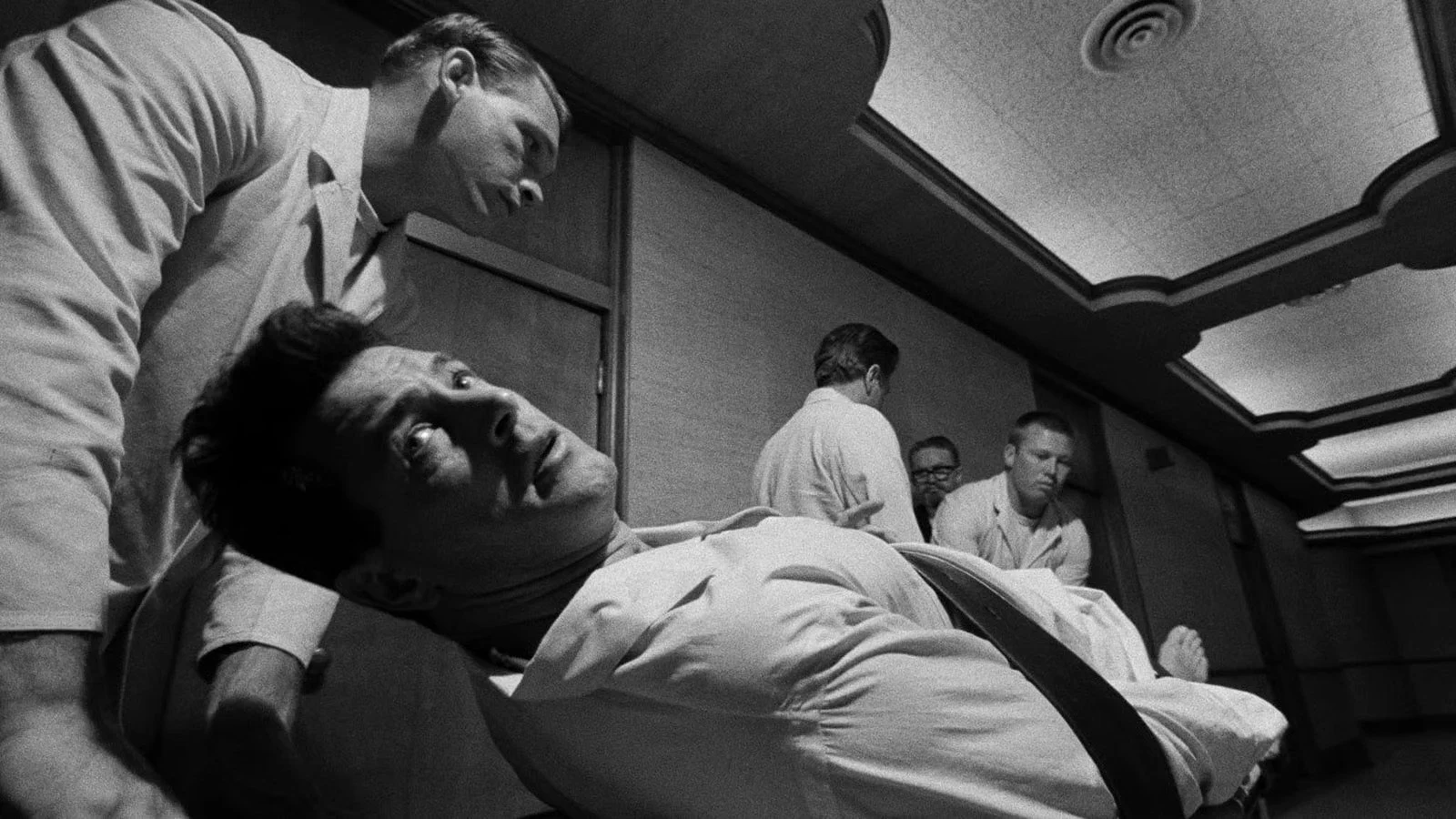
Seconds (1966)
I was blown away by this film’s unique, unnerving cinematography. The use of the fisheye lens and handheld shots creates an uneasy, feverish vibe that underlines how desperately sad the main character’s life is, to the point that you understand why we would undergo such a crazy procedure to become a different person. Although the film makes great use of this psychologically disturbing premise, it has a mournful quality that I found deeply moving.
Seconds digs deep into the loneliness of a mundane existence. You could easily see yourself getting trapped in this life that puts accomplishments and possessions over people. But even when our main character gets the life he thinks he wants, it turns out to be an empty experience due to a lack of authenticity. The film makes a great case for living life in the moment and not waiting for it to happen. I do think it slightly peaks in the first act when it’s in full-on psychological horror mode, but it goes to such touching places in the back half that I can’t fault it for taking its time to let you settle into the character’s new life.
★★★★
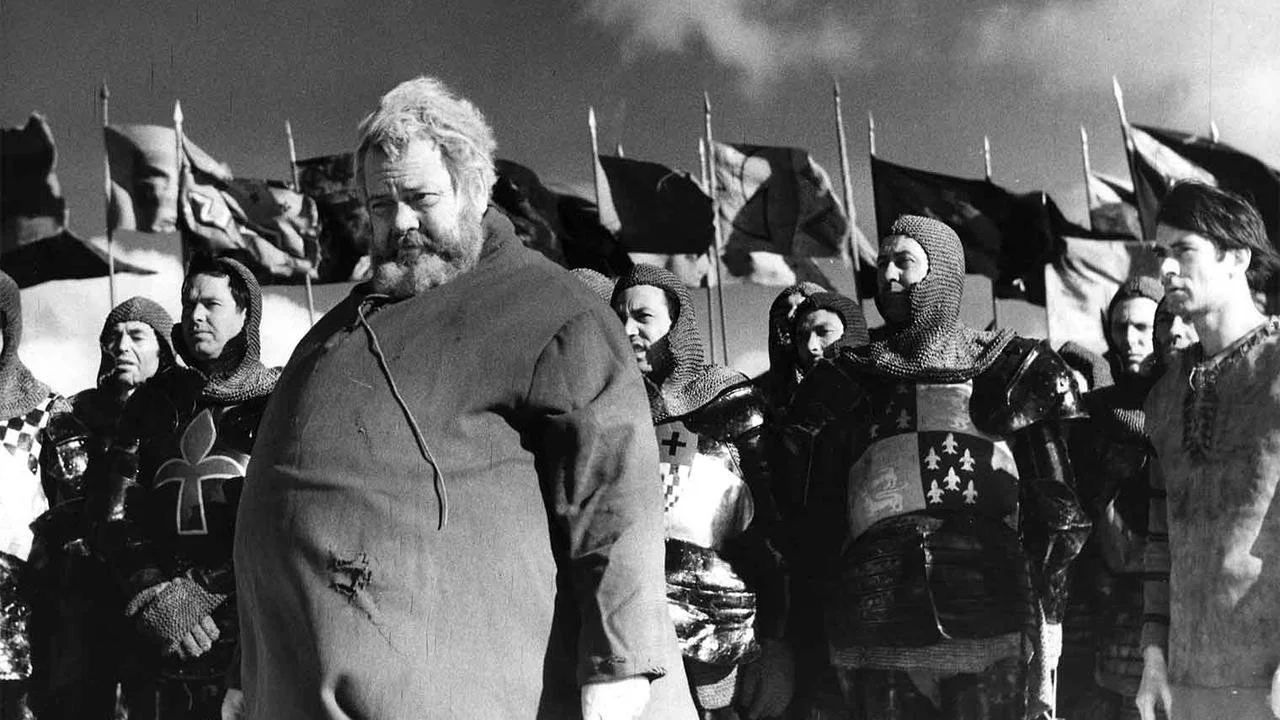
Chimes at Midnight (1965)
This film feels deeply personal to Orson Welles. He effortlessly streamlines the Henriad into a cohesive, entertaining, tragic story, embodying the iconic Falstaff in his best performance. He captures all sides of the complex Shakespearean figure from his oafish charm down to his cowardly self-interest. But most importantly, he exposes the deep loneliness at the character’s core.
Welles’ regal, at times rough, filmmaking provides the perfect balance for the two worlds Prince Hal inhabits. The gorgeous cinematography gives grandeur to the royal world the rowdy prince will eventually inherit, while the jumpy editing and blatant continuity errors fit like a glove with the low ruffians he chooses to spend his time with. You feel the tug of war within the young prince and the strain it puts on his relationship with Falstaff.
Welles surrounds himself with a phenomenal cast who make the language sing. Keith Baxter is a total firecracker as Prince Hal. But Welles himself gets the best acting moment at the end when the newly crowned King Henry V rejects him. His look of despair mixed with a sense of pride in the young king is absolutely flooring. It demonstrates that Welles understands this character in a way I feel like most would overlook.
★★★★
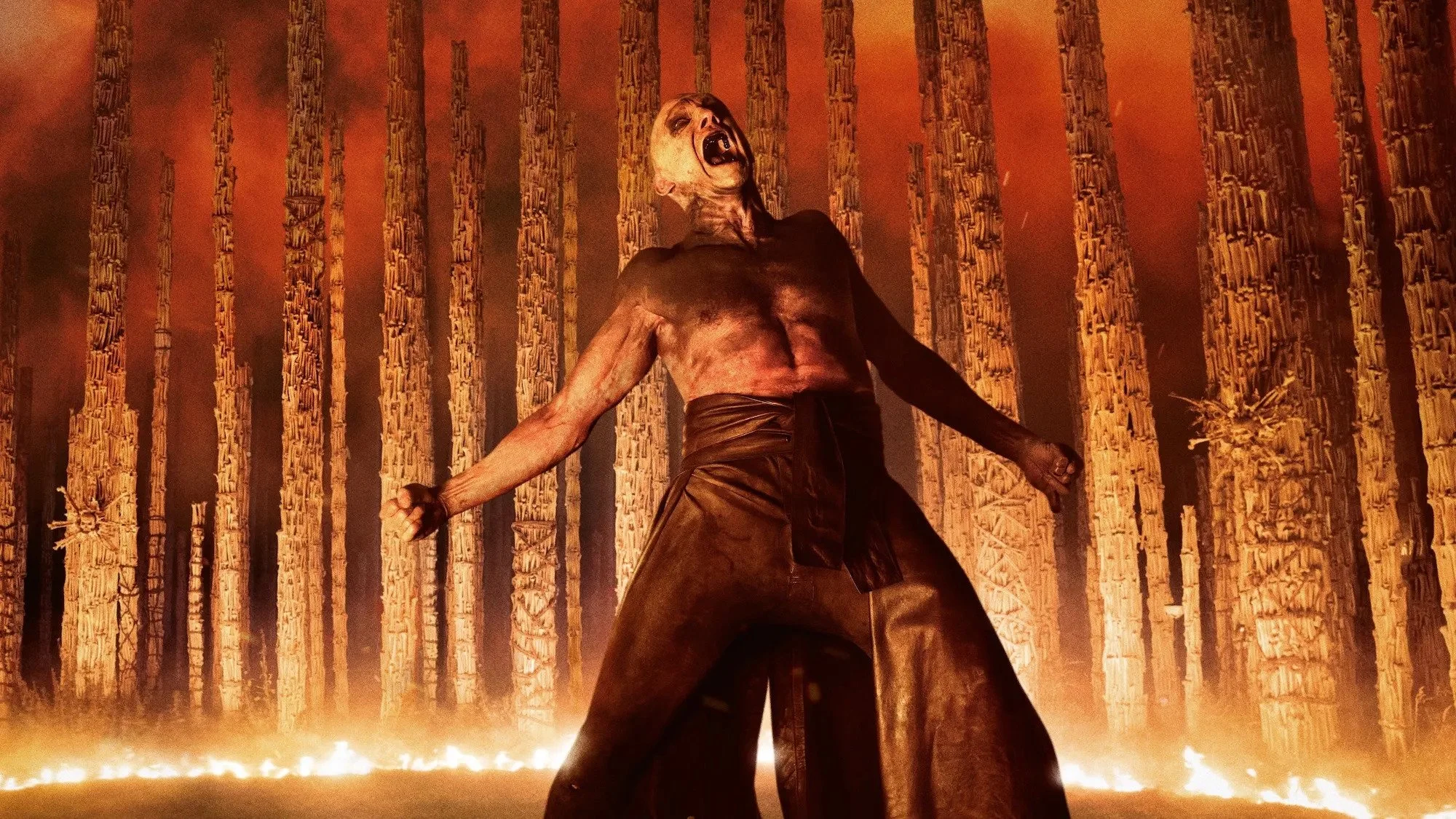
28 Years Later: The Bone Temple (2026)
28 Years Later: The Bone Temple is a rare movie that feels like a direct-to-DVD sequel, but with top-level filmmaking and acting. It doesn’t feel like a standalone story with a cohesive theme. It’s more like a bridge between movies one and three, existing solely to tie up the loose ends from 28 Years Later.
But on its own, The Bone Temple is a highly competent continuation of the first film. It lacks Danny Boyle’s boundary-breaking flair, but Nia DaCosta and Sean Bobbitt still produce some unforgettable visuals. Ralph Fiennes takes his excellent performance in the first film to a new level when exploring his bond with the infected alpha, Samson. This relationship deepens the series’ lore and opens it up to new possibilities. And Jack O’Connell delivers on the promise of Jimmy as a villain. He’s more frightening than any zombie you encounter in the film, and you love to hate him.
I just wish we had a version of the first film that folded parts of this one into it. I think you could have easily introduced the Jimmy cult in the 2nd act of 28 Years Later, then attached this film’s excellent climax to it, and we could have gotten a more complete film. As it stands, we have a great film that lacks a proper climax and a decent one that doesn’t have enough meat on the bone (eyyyyy).
★★★½
The Drama (2026)
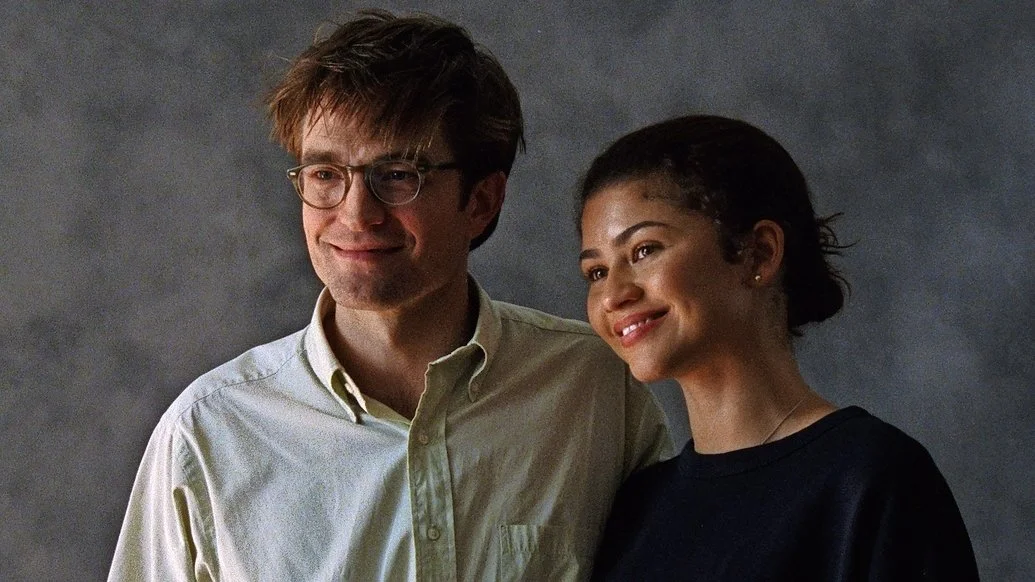
The Drama makes a strong case that maybe you don’t need to know everything about your partner. It does a fantastic job flipping rom-com tropes on their head with a shocking reveal about one of the two leads. This ugly truth causes them to rethink their entire relationship a week away from their wedding and infects their minds with paranoia and self-destructive impulses. This mindset leads to wonderfully uncomfortable humor, and I found myself wondering how I would behave in this dilemma.
I won’t reveal what the secret is, but it ties into a big issue we’re facing in America, and while the film does mine some great dark comedy from the subject, I feel like it didn’t go far enough in its dissection. It’s more of a means to an end for exploring relationship dynamics and how well you can really know someone. I still give the film full marks because it nails its central premise, and the two leads have fantastic chemistry. Pattinson adds another great buffoonish performance to his growing collection, and Zendaya elegantly explores an ungainly side to her star persona.
★★★★