Film Blog (4/5 - 4/11)
The Year of Living Dangerously (1982)
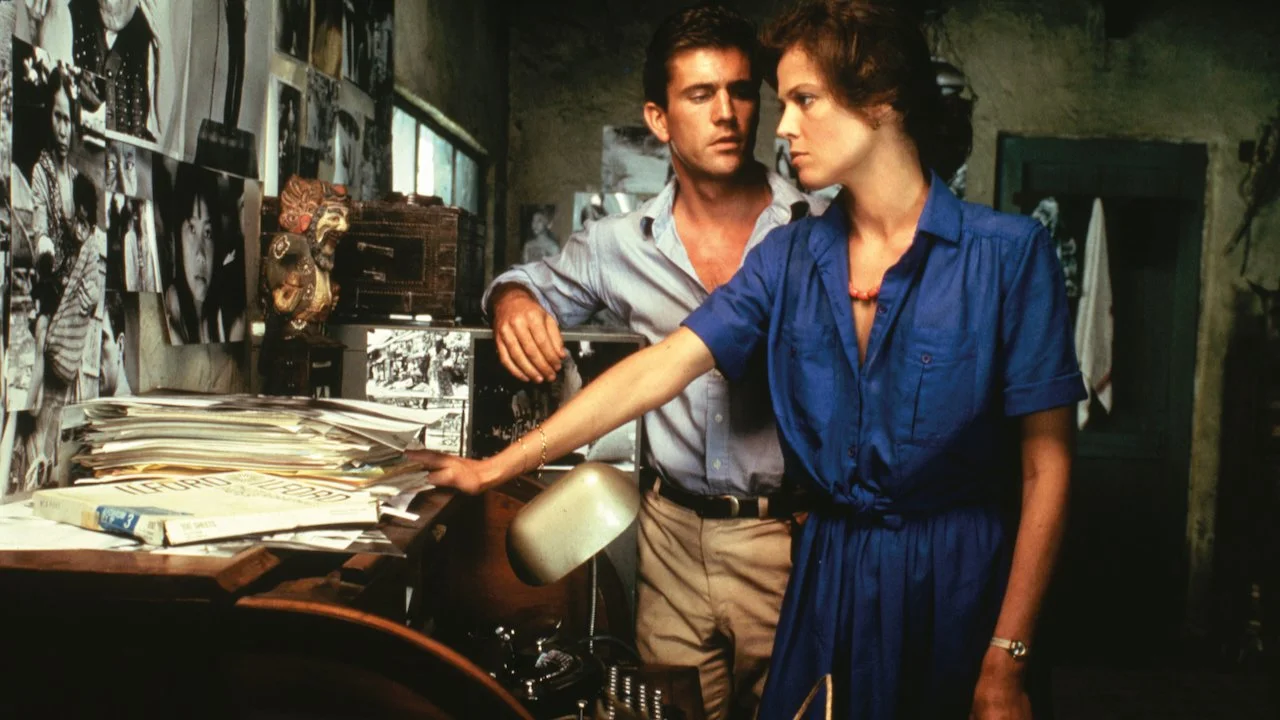
This is one of the few Peter Weir films I couldn’t get into. It lacks the same bravura filmmaking that made him stand out as one of the top directors in the Australian New Wave. There are some beautiful vista shots of natural Indonesia, and the score sets a decent mood, but the film never lulled me into its visual language. The Year of Living Dangerously is mostly let down by its miscast leads. Mel Gibson lacks the unwavering charisma needed to play this type of flawed, naive protagonist, and Sigourney Weaver gets nothing interesting to play. Despite the two of them being peak hot, they lack any sort of chemistry, so the film's attempts at a steamy affair fall flat.
The most notable part of the film is Linda Hunt as Billy Kwan. She gives an excellent performance that’s pretty transcendent in its gender fluidity. It’s so good that it almost, ALMOST makes up for the yellow face. I understand it was a different time, and it’s a hard part to cast, but when two years later, The Killing Fields cast Haing S. Ngor, an unknown, non-professional Asian actor, in the key Asian role, I find myself annoyed that The Year of Living Dangerously couldn’t do the same.
Hunt’s casting clashes with the film’s gritty portrayal of poverty in a developing country. Weir doesn’t shy away from digging into the underbelly and showing the ugly suffering of the Indonesian people. Every other Asian cast member feels like they were plucked off the streets, so when you cut to Hunt in make-up, it undercuts the movie's attempts at highlighting the true problems that Western journalists ignore.
★★★
The African Queen (1951)
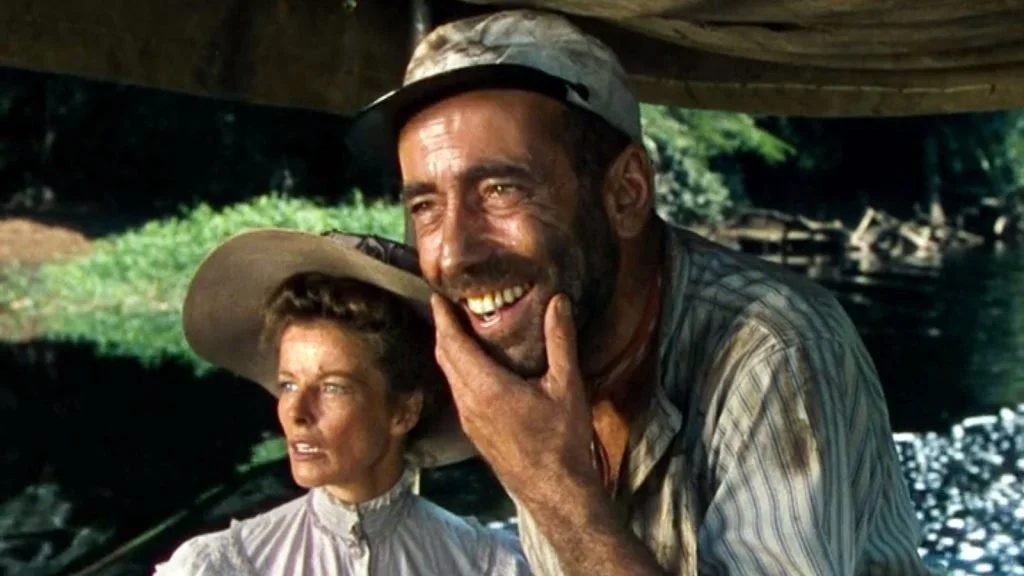
I found myself at odds with this movie’s cornball tone. I admire John Huston dragging his cast and crew into the African wild and making everyone miserable while filming some incredible wildlife footage. I’m sure this film was revolutionary at the time for its location shooting. But the rough compositing and hokey writing clash with all attempts to ground you in a real place.
I don’t want to criticize this film too much for how it’s aged. I understand there were severe limitations at the time, and it’s impressive that Huston managed to get so many authentic shots of that damn boat going down the river. But the goofy tone undercuts any sense of danger, which is a big problem given its WWI backdrop. I can’t help but think of films before and after The African Queen that have done a much better job integrating the harsh realities of war into their stories. Casablanca literally sings with defiance against the nazis, and David Lean managed to ground the horrors of both world wars in exotic locales with Bridge on the River Kwai and Lawrence of Arabia.
The African Queen is more interested in being a charming romantic adventure, and if that’s what you’re looking for, you might dig it. Bogart and Hepburn are a winning pair. I appreciate that they get together pretty quickly and don’t spend the whole movie sniping at each other. They have delightful chemistry, and it’s so much fun to watch Hepburn’s character let loose and enjoy the adventure. I just don’t know if this is a film that belongs in AFI’s Top 100 Movies.
★★★
Body Double (1984)
I’ve never wanted to enjoy one person’s filmography more than Brian De Palma. He was an early figure in my burgeoning cinephilia with Carrie, The Untouchables, and Mission: Impossible. He has so many films under his belt that seem up my alley: lurid thrillers with amazing camera work and blatant Hitchcock pastiches. So I can’t tell you how disappointed I’ve been as I've dug deeper into his filmography over the past few years. I’ve come to the conclusion that De Palma’s a guy with nothing to say; an empty stylist whose greatest skill is highlighting Hitchcock’s sexual undertones at the expense of genuine thrills and compelling characters.
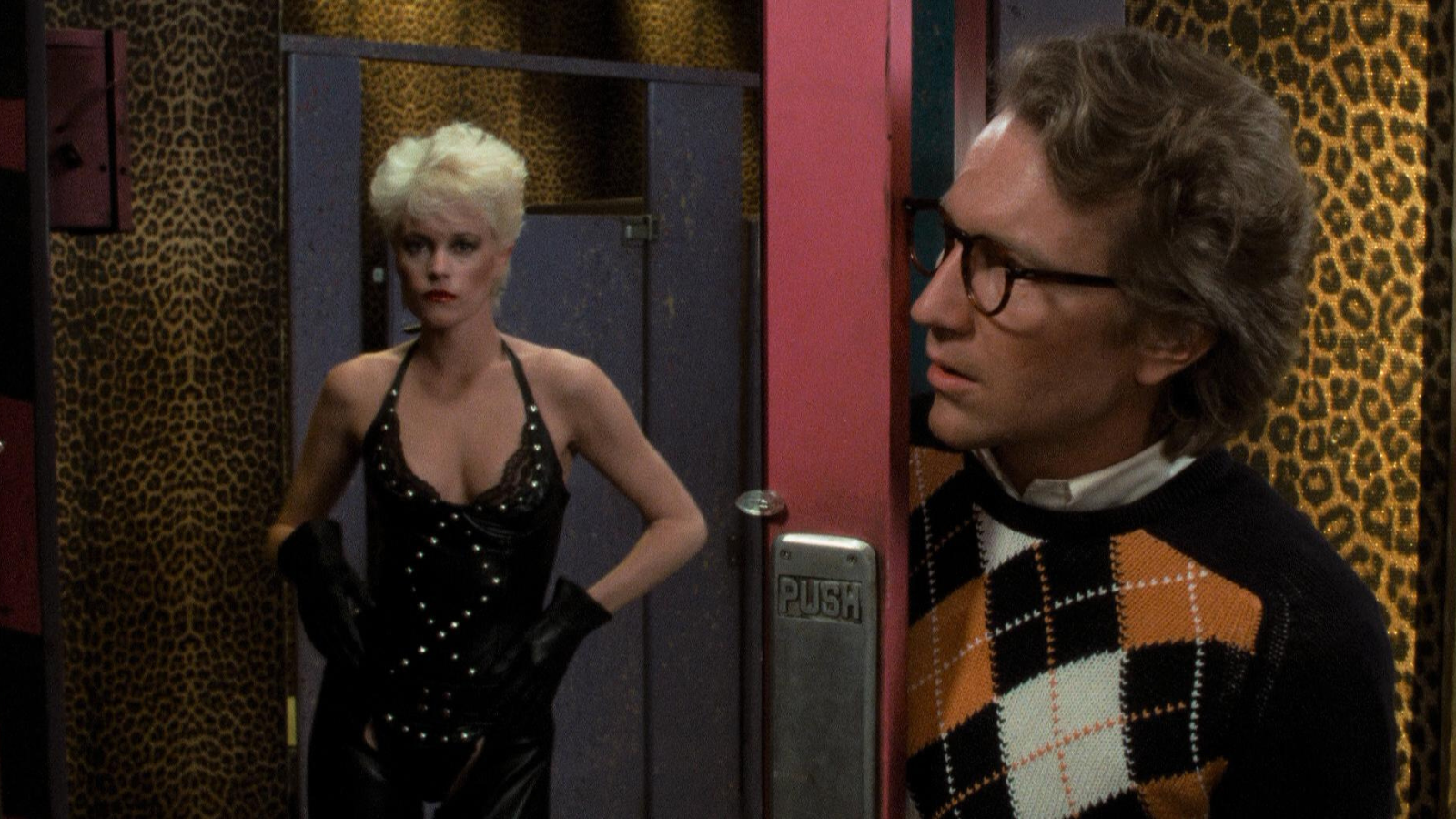
Body Double is a prime example of my distaste for De Palma as an artist. The sexuality is so off-putting and obvious that it clouds any interest in the story and leaves the slow-burn suspense sequences limp. The main character is so unappealing and the actor so dull that I found myself asking, “Why should I be invested in this story?” The film definitely improves with Melanie Griffith’s presence. She brings the fun, spiky energy the film’s desperately missing in the first two acts with its flat “homages” to the tailing scenes from Vertigo. But it takes so long for her to show up that I was already lost by the time we got to the excellently choreographed “Relax” set piece.
★★½

Father Mother Sister Brother (2025)
Father Mother Sister Brother highlights that, even though every family is unique, they all share universal truths. Everyone’s putting on a performance or slipping back into old roles when they’re around their parents and siblings. How well can you really know your parents? Is it through the things they own and the clothes they wear? It feels like they’re hiding a part of their identity from you.
There are many unspoken truths in the first two segments. No one says how they actually feel around each other for the sake of politeness. There are no big revelations or epiphanies; things continue on as they are. It’s quietly sad and uncomfortable to watch the people in these two families try to connect with each other out of obligation more than anything else.
The strained energy of the first two stories makes the last segment a breath of fresh air as two twins reconnect after the loss of their parents. Indya Moore and Luka Sabbat are refreshingly sweet and honest. Where the first two families could barely make eye contact, these two are at complete ease in each other’s presence. Maybe it’s the loss of family that brings you closer together. Once the dynamic is simplified, you assume new roles that are more authentic to your true self.
★★★½
Cruising (1980)
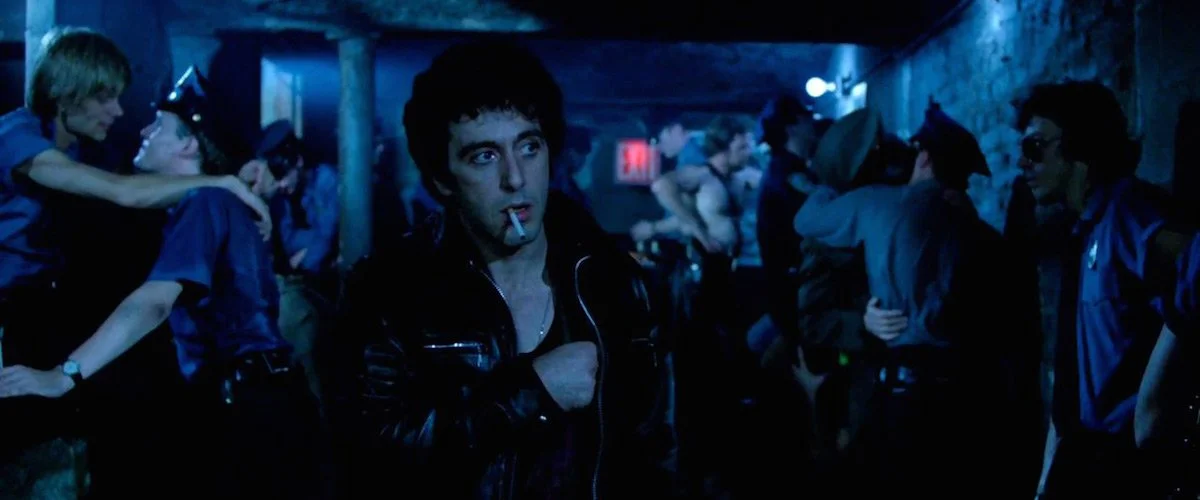
This is one of the few films I’ve seen where Al Pacino leaves no impact. I don’t know if it’s because he was uncomfortable with the source material or that he and William Friedkin had a terrible working relationship, but he really fades into the background in this one. It doesn’t help that Cruising is a weaker version of Pacino’s arc in Serpico, but with more leather. Because the film isn’t all that invested in Pacino’s character, the conflict of him losing his identity in undercover life falls a little flat.
That said, Friedkin crafts one hell of a thriller. His gritty, documentary style grounds you in the seedy underbelly of New York’s S&M scene, where there’s a killer lurking in the midst. You feel like they could be around any corner thanks to the intimate, disembodied voices popping up at the creepiest moments. I’m still not sure how I feel about the portrayal of the S&M community as a lurid deviance, but I understand the impulse to use it as a backdrop for a psychological thriller. It’s a story set mostly from the NYPD’s POV, and Friedkin accurately portrays their bigotry towards the gay community. It all comes down to office politics instead of legitimate investment in the safety of this vulnerable, marginalized group.
★★★½