Film Blog (4/12 - 4/18)
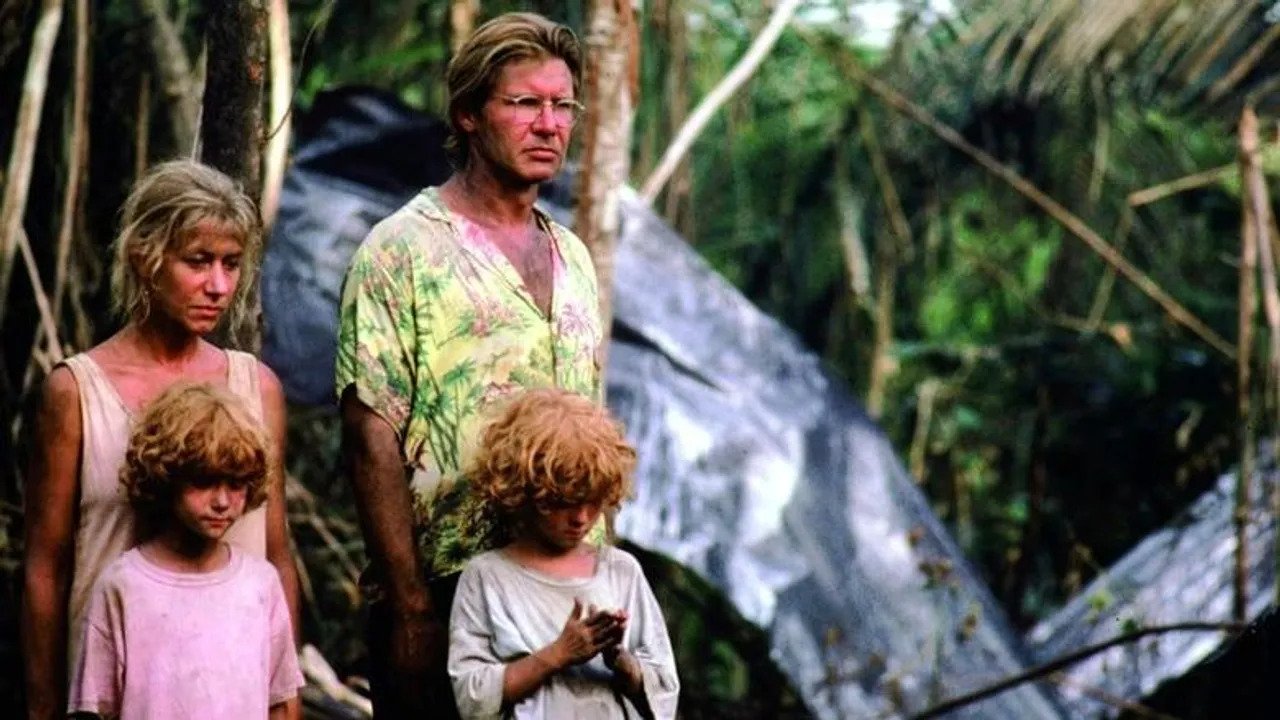
The Mosquito Coast (1986)
The Mosquito Coast surprised me with its nastiness and cynicism. It’s a prime example of white American hubris and how it drags everyone down with it. Harrison Ford gives an impressively unpleasant performance as the worst dad on Earth, putting his own ego above his family's safety. He’s so convinced of his brilliance that he moves his family down to the middle of nowhere in Central America in an attempt to give them a “simple” lifestyle.
What makes The Mosquito Coast so compelling is the brilliance of Harrison Ford’s inventor. His idealistic spirit and outside-the-box thinking birth a nice little community for him and his family. Even though he’s an incredibly unpleasant narcissist, you find yourself begrudgingly impressed with his ability to execute his vision. But it gets to a point where he’s done so much damage and sunk so much time and resources into his vision that he’d rather drag his family down with him than admit defeat.
It would be one thing if we were experiencing the schadenfreude of one egomaniacal asshole learning that he can’t beat nature, but the fact that his adoring family has to suffer with him adds a thriller element to The Mosquito Coast. We desperately want to see them wake up to the fact that maybe consumerism isn’t quite so bad as starving in the jungle.
★★★½
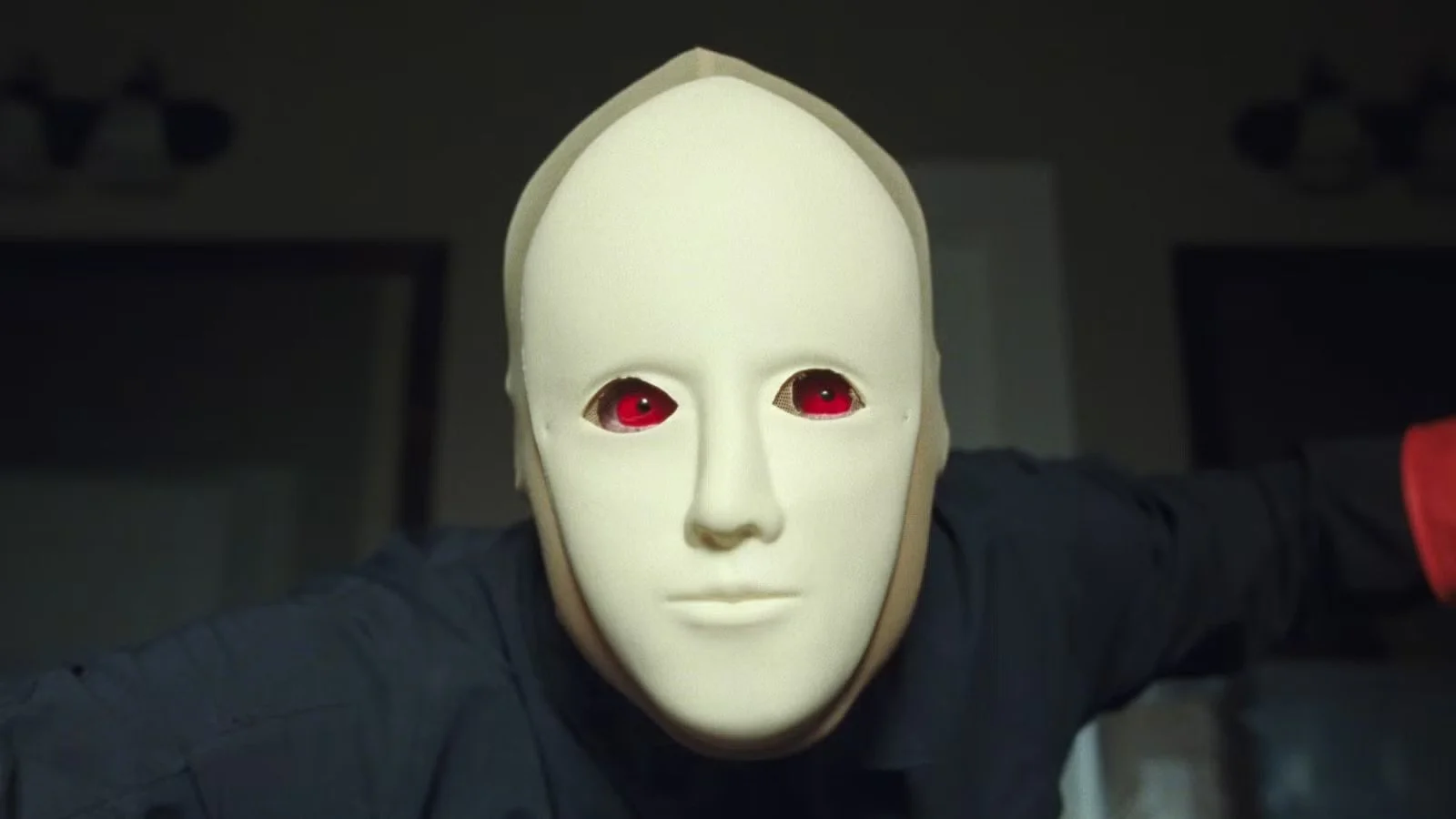
Faces of Death(2026)
It’s really too bad that Faces of Death squandered such a great idea for a horror reboot. The original 70s cult classic shocked audiences with its (mostly staged) depictions of violent deaths, and then achieved new life in the age of the internet, where dubious shock content is all the rage. It only makes sense that you would make a movie about a deranged clout chaser killing people in elaborate death traps inspired by scenes from the original movie. Unfortunately, Faces of Death is too glib for the violence to be horrifying and too shallow in its commentary on social media. It relies more on cheap thrills that lack any stakes or suspense. It feels like an out-of-touch millennial’s attempt at trying on Gen Z aesthetics.
Read my full review here.
★★½
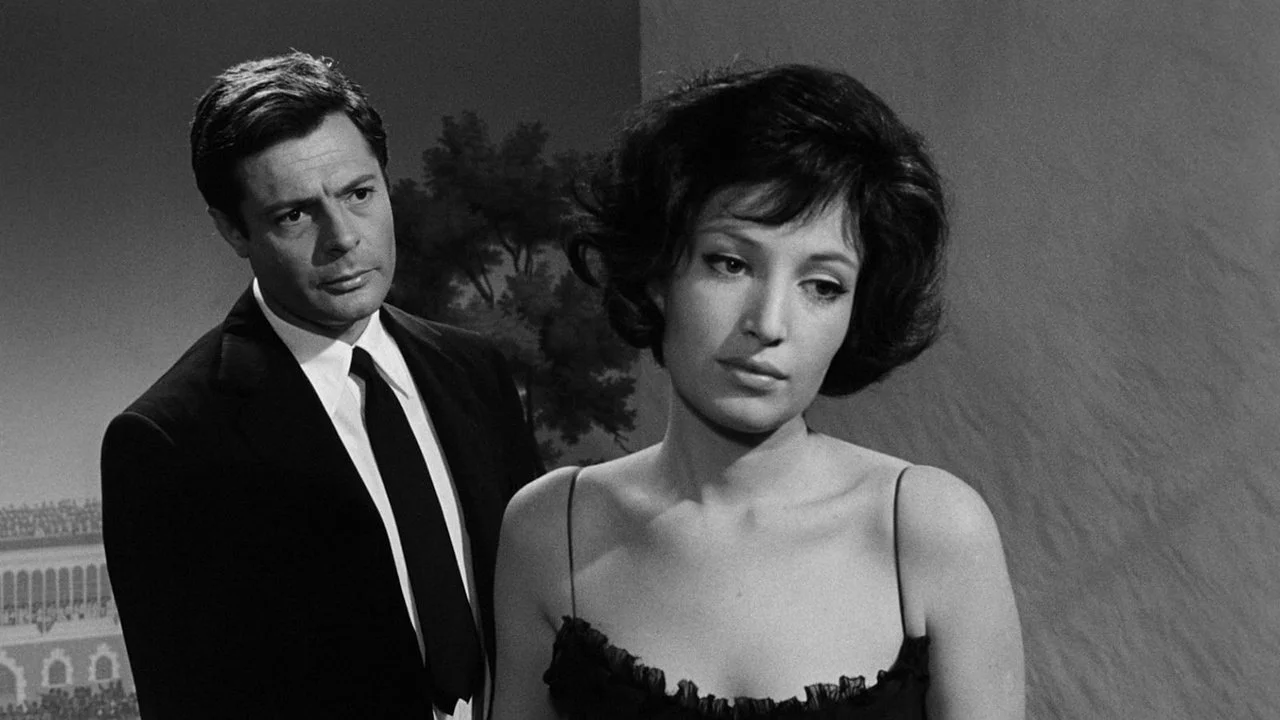
La Notte (1961)
This movie really feels like the reserved, moody cousin of La Dolce Vita. They both follow characters in a desperate search for meaning in their lives, often seeking it in nostalgia and external pleasures. But whereas La Dolce Vita is an episodic parade, La Notte is quiet and reflective. We spend much of the runtime following the central couple as they wander around the streets of Milan in search of something they can’t quite articulate.
The film feels like a funeral for their youth and love, as they now feel untethered from what once defined their relationship. They make desperate moves to regain what they had by chasing after younger people. This patient, reflective tone makes the final scene hit like a ton of bricks, where the two finally get it all out in the open. It’s hard not to feel completely hopeless by the end, but that empty feeling doesn’t detract from the film's aesthetic beauty. It makes you take stock of what you have in your life when you see the pitfalls of living in the past.
★★★★
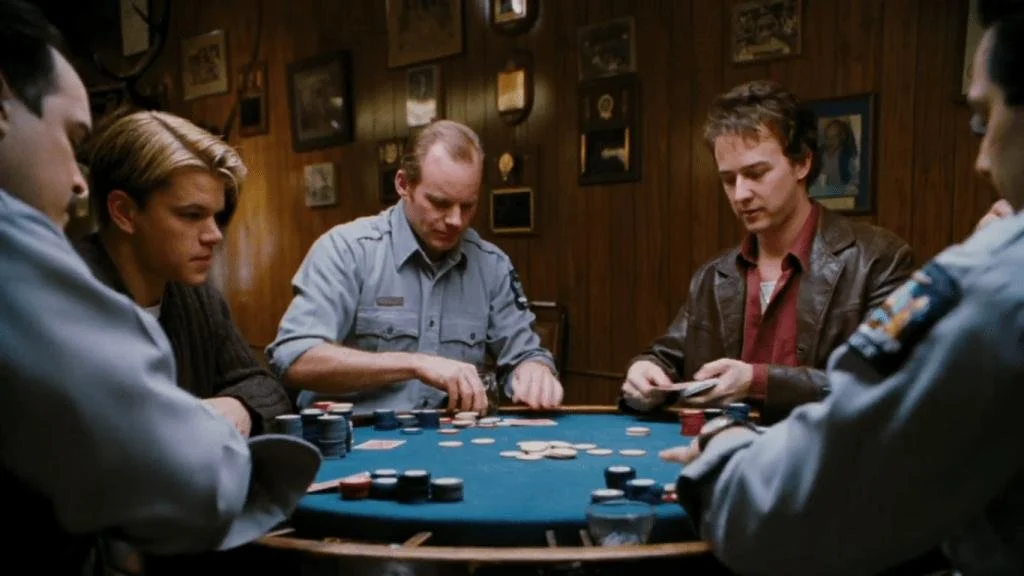
Rounders (1998)
I know this is a trite observation by this point, but I really miss movies like this. If this film was considered the middle ground in terms of quality in the 90s, I’ll take a million Rounders any day of the week. It contains the bare minimum of what I want from a movie: slick visuals, fun writing, and a charismatic cast. The film’s visual language isn’t anything special. It’s a nice-looking movie that lets the script do the talking, and boy, does it talk well.
Rounders doesn’t hold your hand at all when it dives headfirst into the world of high-stakes poker. As someone who knows next to nothing about the game, I was captivated by Matt Damon’s esoteric narration. I could listen to him listing off terms for different hands and strategies all day. The film glides along effortlessly when it's rolling and feels intense once the stakes get too high.
Damon and Edward Norton make for a great buddy duo. Norton’s sweaty, chaotic energy is the perfect foil to Damon’s controlled, disciplined strategy. The supporting cast is unbeatable, with Martin Landau infusing the story with genuine weight and John Malkovich delivering one of the great mockable accents in movie history. The whole law school subplot with Gretchen Mol is a complete bust, but luckily, the movie doesn’t spend too much time on it. It knows you want to see these two guys swindle some saps, then get way in over their heads with the real-deal scary mobsters.
★★★½
The Christophers (2026)
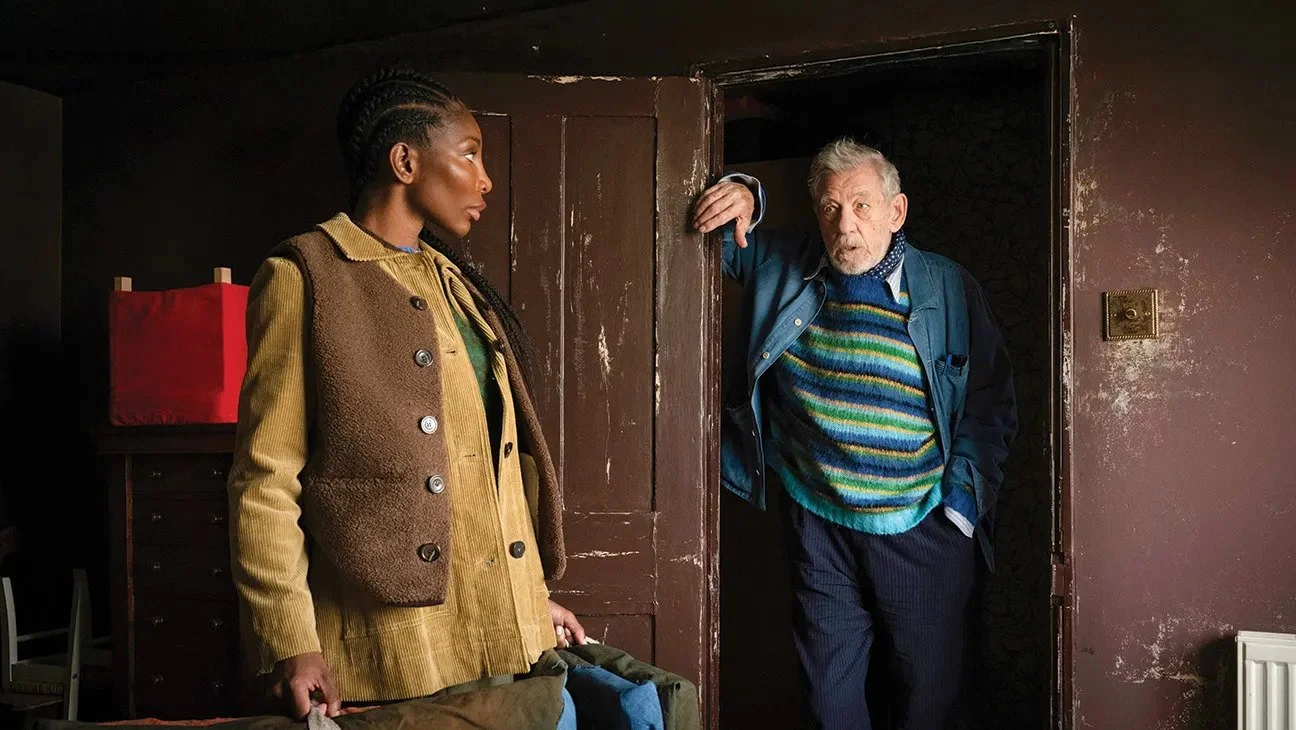
The Christophers sets itself up as a low-key heist movie. It’s well-worn territory for Steven Soderbergh with the Ocean’s trilogy and Logan Lucky. But over the course of 1 hour and 40 minutes, it takes so many turns until it eventually lands on a deeply felt tribute to the artistic process and the fine line between ecstatic love and bitter disappointment. Ian McKellan and Michaela Coel prove fantastic sparring partners as they lob barbs at each other throughout the crackling dialogue. Their relationship infuses the movie with an indomitable spirit, and gets you invested in them regaining their artistic inspiration.
The way the film’s structured reminds me of how the artistic process can work: you start off with one idea, and then it morphs as you go along until you end up with something you weren’t expecting. It’s so satisfying to watch the two leads start out as adversaries and gradually grow to respect one another through their shared intelligence and passion. The film ties heartbreak and rejection to an artist’s body of work and argues that it doesn’t matter who or where the art comes from. All that matters is the end product.
★★★★