Film Blog (4/19 - 4/25)
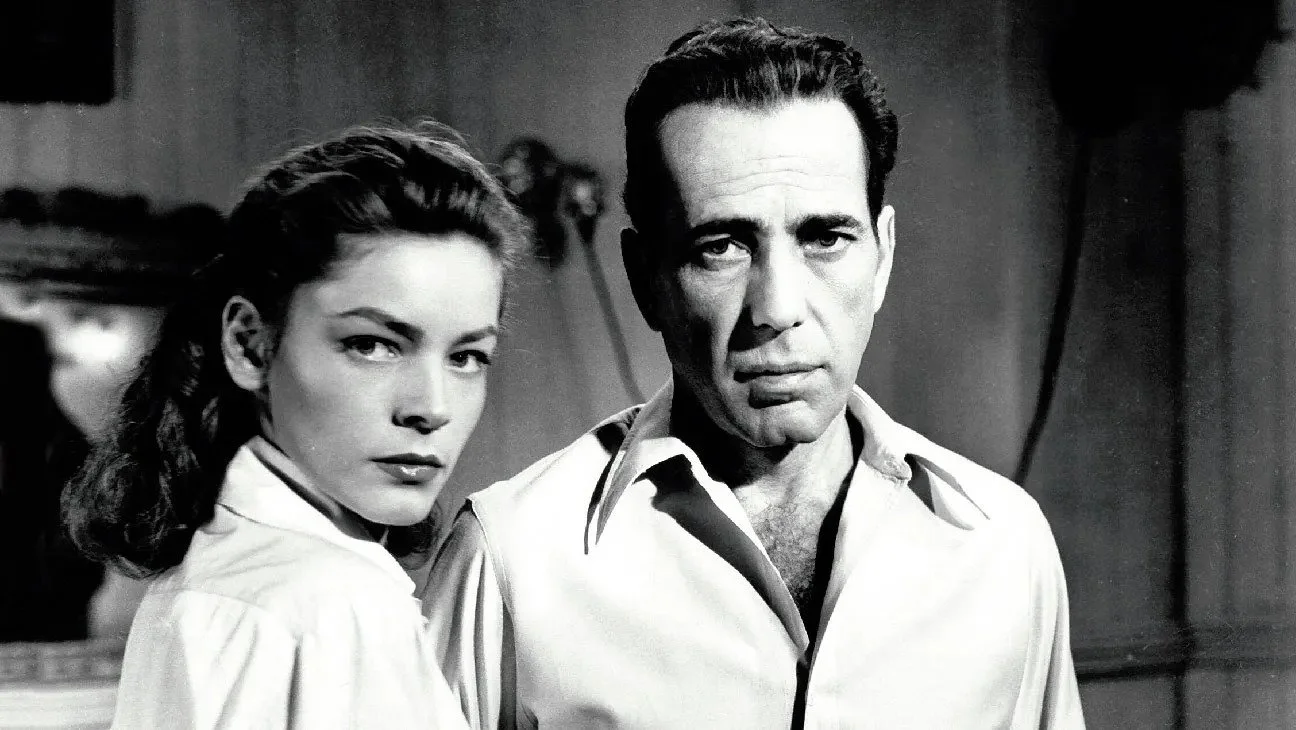
Key Largo (1948)
As my first Bogey and Bacall movie, I was a bit thrown off by Key Largo. Instead of a smoldering romance from one of our greatest star pairings, I got an ensemble-driven chamber piece. Bogey and Bacall’s relationship in the film is very chaste and modest. They get a couple of handsome close-ups to establish their bond, but the film is much more focused on the tension of its hostage set-up. These aren’t complaints necessarily; I think Key Largo is a successful, contained thriller.
It’s kind of refreshing to watch the two top-billed movie stars dividing up screen time with the excellent ensemble. Edward G. Robinson is the true star as mobster Johnny Rocco, see? He dominates the picture with his easy charisma and measured menace. It’s satisfying to watch him take complete control of the situation only to gradually lose his cool as a deadly hurricane approaches. A man who thinks he’s untouchable can’t fathom the unyielding cruelty of Mother Nature, and it’s a real treat to see the look on his face when he realizes he’s wrong.
★★★★
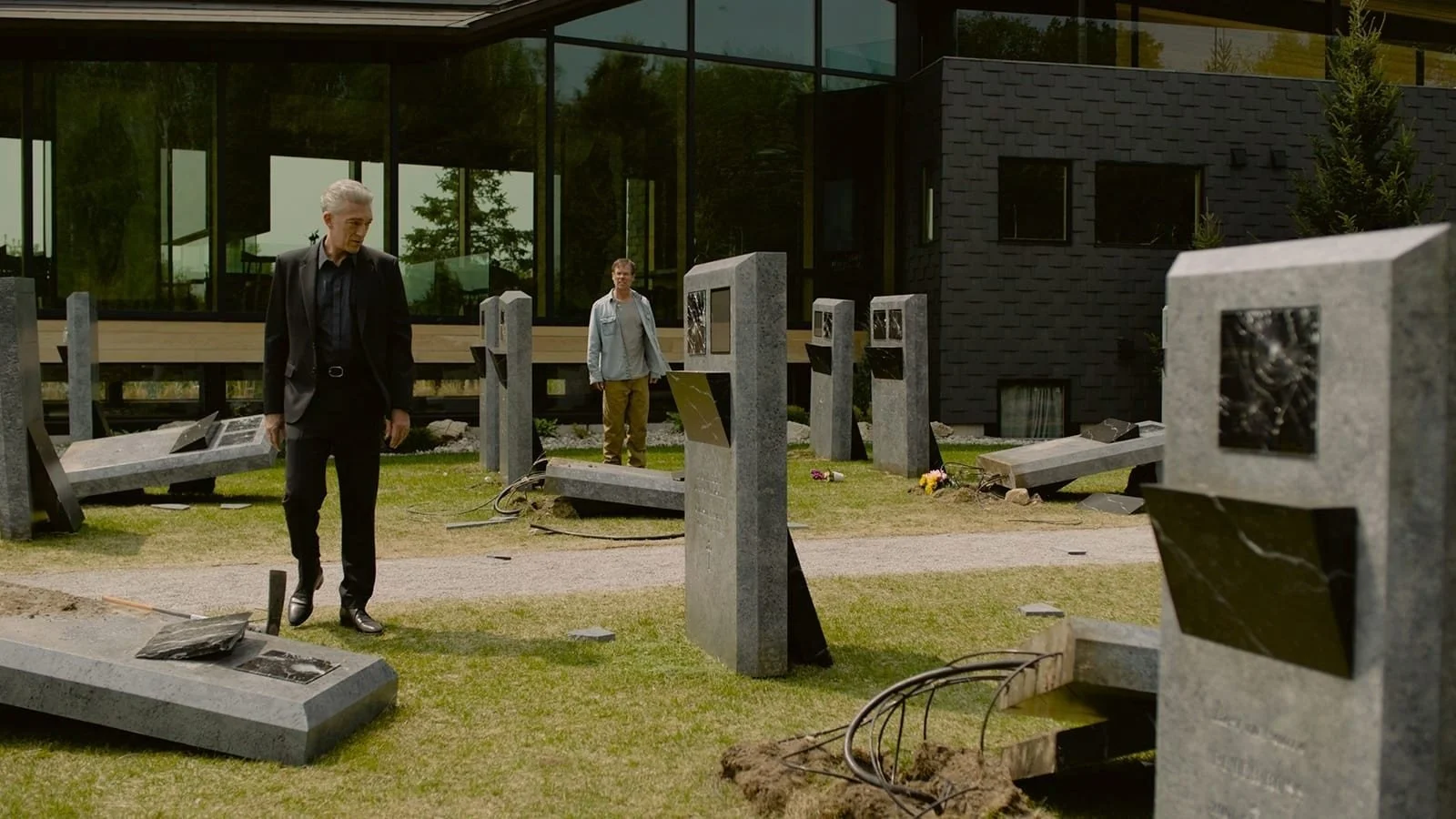
The Shrouds (2025)
I have a hard time parsing The Shrouds. The most sense I can make of its confusing, opaque story structure is that it’s David Cronenberg’s way of exploring how grief makes no sense. The film is clouded with misdirections and red herrings that give you zero resolution. My read on these story decisions is that when someone you love is taken from you, you come up with all sorts of reasons and theories to make sense of the universe's random cruelty. While this plot structure left me scratching my head, I couldn’t take my eyes off The Shrouds.
Cronenberg applies his clinical, detached tone to a world that looks very similar to our own but with some ghoulish innovations. The film is laden with modern tech imagery we’re all familiar with, including self-driving cars, digital photo frames, and memojis, but Cronenberg adds his body horror spin with a tech that lets people view their decomposing loved ones on their iPads if they choose. This invention, combined with Vincent Cassel’s distant performance, deconstructs the mindset of tech billionaires. Their innovations are more for them than anyone else, and they create to fill an empty place in their souls.
★★★
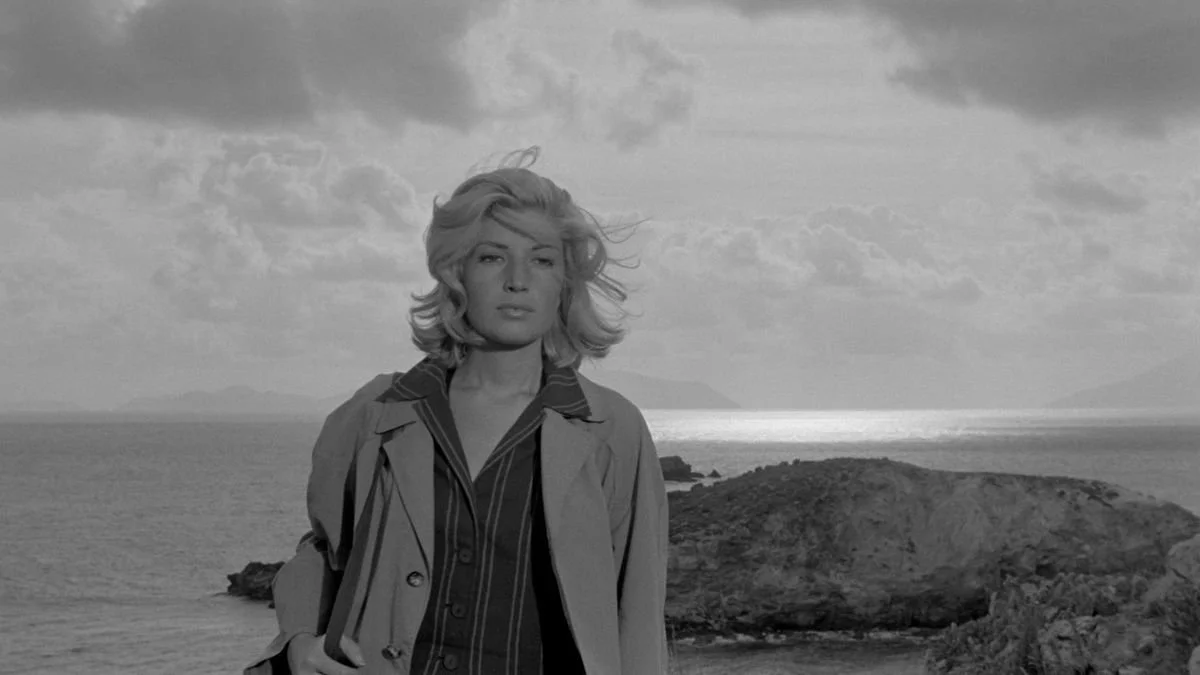
L’Avventura (1960)
L’Avventura is a film that thrives in ambiguity. We rarely get a look into the inner thoughts that drive the main characters. They seem to function off of emotional impulses that move them from one location to the next. The film uses this cloudy mindset to explore the tenuous nature of love and attraction. When a young, impulsive socialite goes missing on a trip, her best friend and lover spend the rest of the movie searching for her, only for the two of them to circle around their mutual attraction to one another. Even though they’ve just met, there’s an undeniable force that draws them together. The missing girl is both the catalyst for their relationship and the obstacle keeping them apart.
The gorgeous Italian vistas the main characters wander through in their hazy search reflect the desolate beauty at the film’s core. The story is populated with affluent couples who are disillusioned with their partners. You have a hard time seeing what draws them together as they try to get away from each other. You want to believe in the palpable feelings the two leads have for each other, but how strong can they be when they’re so fresh and borne out of a tragic situation?
★★★★

Mother Mary (2026)
Mother Mary is a beautifully rendered feast for the eyes that’s more fun to look at than to experience. Beneath the film’s religiously tinged pop-star aesthetics, we have a gloomy chamber piece that doesn’t have nearly enough fun with its horror roots. The film explores compelling ideas about the complex dynamics of creative partnerships through the spellbinding performances of Anne Hathaway and Michaela Coel. It’s insanely impressive to see Hathaway throw her whole body into such a physically and emotionally demanding role. The two actresses make great use of the film’s limited space, and David Lowery employs inventive stagecraft techniques to break down the nature of performance.
It’s too bad that the film occasionally succumbs to low energy with its dreary setting and self-serious tone. The performance set pieces are immaculately staged, and Lowery’s execution of the red fabric “spirit” is so inventive and fresh, but the film constantly teeters on losing its emotional throughline to a coma-inducing lull. I’m all for exploring the dark side of pop stardom and idolatry, but it feels like a missed opportunity not to embrace the art form’s campy side.
★★★½