‘Good Luck, Have Fun, Don’t Die’ review
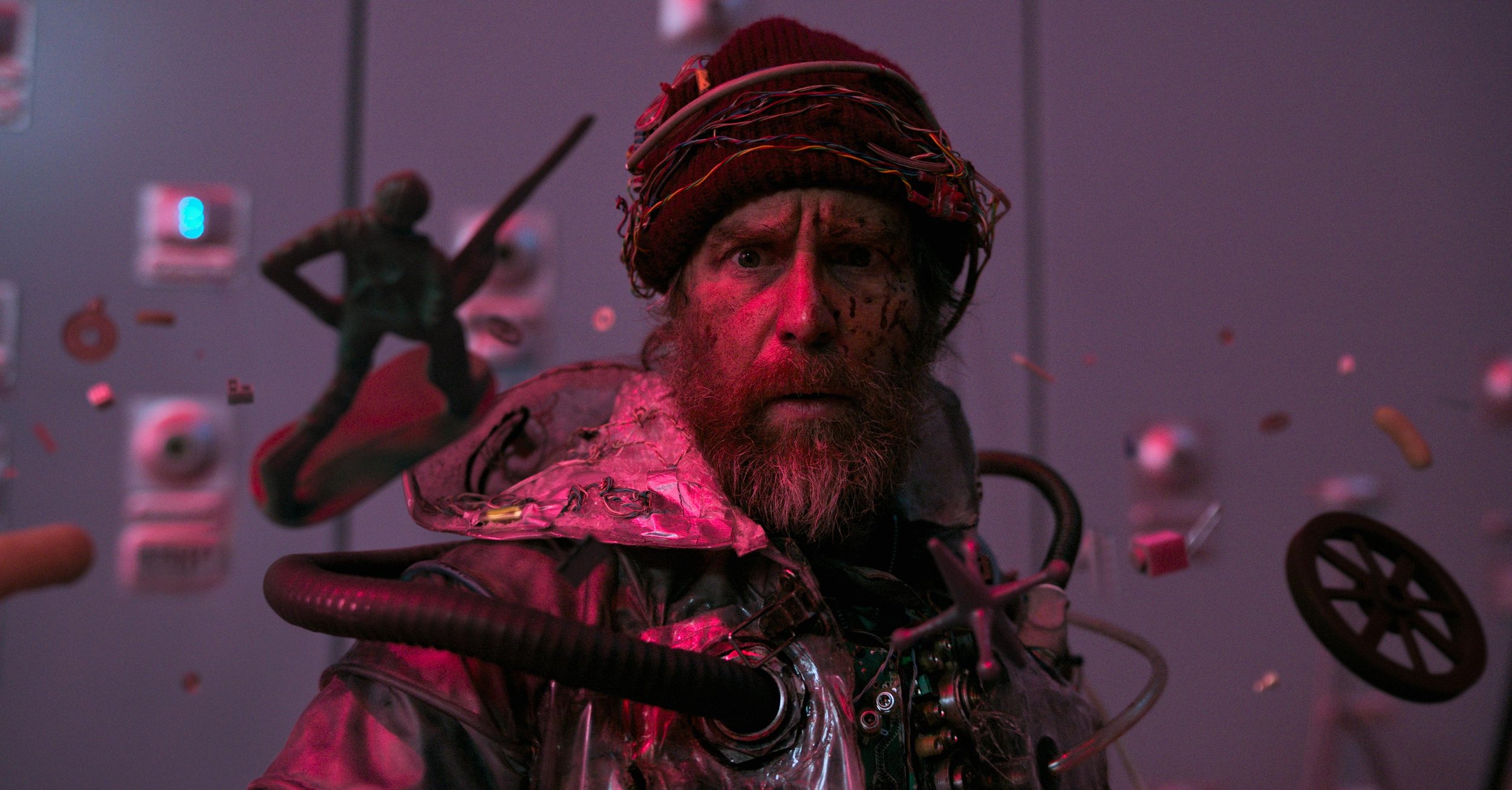
In our current desperate climate, where the future of movie theaters and movies in general remains uncertain, we see many people—myself included—giving passes to films in the “they don’t make them like this anymore” category. Films with an original script and unique concept that aren’t based on any pre-established IP. Oftentimes, these qualifications are the bare minimum needed for film fans to champion these sometimes flawed experiments. Good Luck, Have Fun, Don’t Die definitely falls into this category. It’s exactly the kind of movie I feel great supporting with a movie ticket, even if it doesn’t entirely work for me.
I’ll take an original sci-fi film with a hooky premise and an endearing ensemble any day of the week. When Sam Rockwell’s nameless crusader bursts into a diner looking like a homeless time traveler and recruits a group of randos on a mission to save the future from an AI overlord, the movie had me locked in. I wanted to learn more about this world and the characters who are along for the ride, particularly Juno Temple and Haley Lu Richardson’s broken loners. And you can’t go wrong with Rockwell as your lead. He keeps the dark, zany comedic tone consistent throughout the film. Anytime he yells at or insults his confused recruits, it’s automatically funny.
Where Good Luck, Have Fun, Don’t Die struggles most is in its social commentary and in balancing its dark comedy tone. The film does most of its world-building by exploring each character’s backstory in a Weapons-esque plot structure. This not-so-distant dystopia is wonderfully bleak, with its subjects completely apathetic toward letting technology replace their lives. Students act like hordes of zombies glued to their phones, children ignore each other at extravagant birthday parties, and some people are electing to abandon their lives for a virtual one that requires a permanent VR headset. At times, this world feels inventive and fresh, like with the toy-looking stun guns Michael Peña and Zazie Beetz’s characters use to fend off their terrifying students. Other times, the film feels like it’s digging through a bin of Black Mirror leftovers.
When you look past the fun world-building, the film’s message boils down to “get off your phone and look at a sunrise.” It’s a pretty shallow thesis that makes the film’s observations on modern technology feel out of touch. These kids sure are addicted to their phones. Can you believe people would rather live in a video game than real life? Good Luck, Have Fun, Don’t Die still has fun with these ideas through creative set pieces and tactile production design, but you’ve seen them executed better in movies and shows with a clearer point of view.
The part that nearly lost me was Juno Temple’s character’s backstory. I have to commend the film for going so bold with this section, but I did not have fun with it. In a bracing and well-edited montage, we learn that Temple’s son was killed in a school shooting. Before the shock from this horrific reveal wears off, we’re thrust into a satirical nightmare scenario where Temple enrolls in a program that can clone her son. The result is a pale imitation of her son with limited personality traits who frequently spouts 90-second ads. This is where the social commentary is at its most pointed, as everyone treats these shootings as an everyday part of life. They’re so frequent, in fact, that some kids have been cloned multiple times as a result of being victims of multiple shootings. One group of parents even jokes with Temple that they made the 4th clone of their kid super tall and gave her weird personality traits “just for the fun of it.”
This whole plotline puts a huge damper on the film. You need a VERY steady hand to navigate such a sensitive subject matter, and Gore Verbinski just doesn’t have it. I found myself wanting to laugh at the pitch-black humor, and I agree with the overall concept of turning frequent school shootings into a dystopian hellscape. But this idea might have served better as a Black Mirror episode that has the time and patience to plumb such dark depths.
But once you’re out of the woods with that plotline, the film resumes its wacky crusade, and the ride feels fun again. Despite saggy pacing, Verbinski does a good job throwing in wrinkles and obstacles that keep you on your toes, culminating in a truly bonkers climax that caught me off guard with its inventive visuals. The film’s surface-level themes prevent the emotional revelations from landing with any significant impact, but I was never bored with the directions the story took. Maybe if the film had committed to the Groundhog Day premise sitting there for the taking with Rockwell’s reset button, we could have gotten a more experimental genre-bending sci-fi/action/comedy that made up for its derivative themes with clever montage editing and a rewarding plot structure that gets you more invested in the characters overcoming the various obstacles in their path.
★★★